Historical monuments... national heritage..!

Historical monuments... national heritage..!

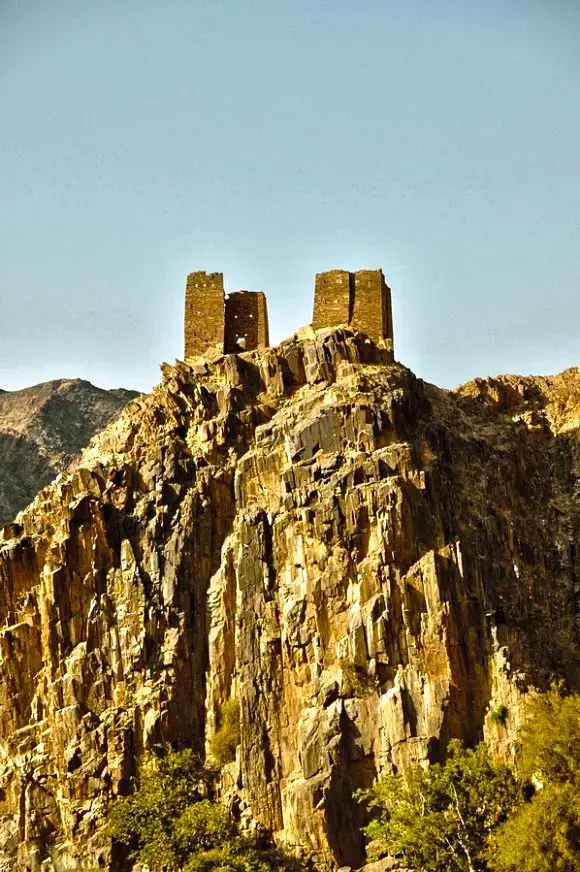
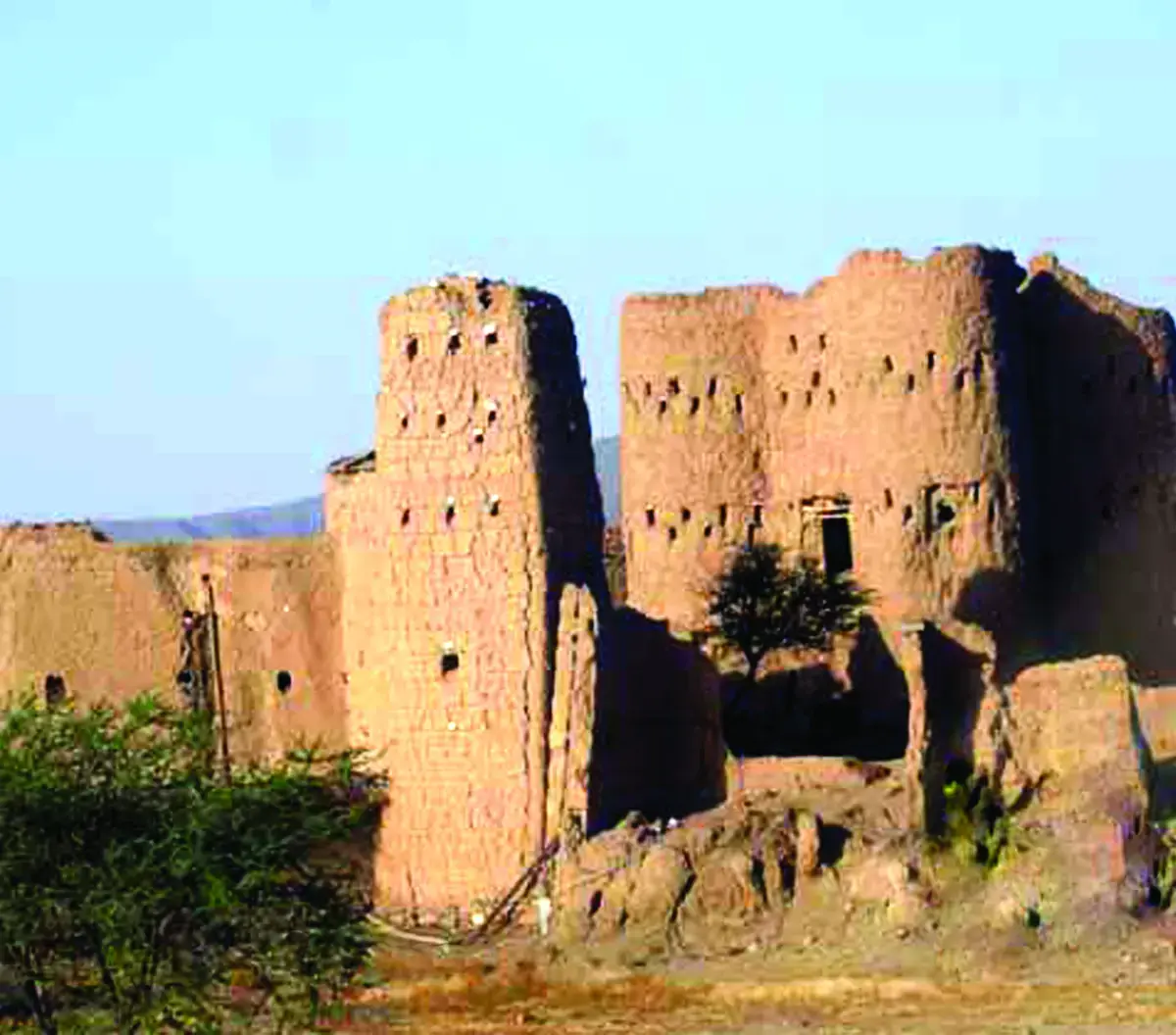
Our country is replete with countless historical archaeological sites that indicate the nobility and belonging of history,

Our country is replete with countless historical archaeological sites that indicate the nobility and belonging of history, through which many stories have been written throughout the ages of history. The Kingdom possesses an ancient cultural heritage from ancient times through the historical and Islamic eras. It contains the most beautiful culturally and architecturally prosperous areas represented by palaces, fortresses, ancient military and religious installations, and archaeological collections preserved by archaeological museums.

The importance of antiquities is that they give us an idea about ancient historical eras, their form, and nature, and about the nature of the lives of the generations that once lived in them. Antiquities are important in linking the past with the present and the future. A person’s knowledge of his past and present enables him to formulate his future and the future of generations after him. They also have an important and vital role in attracting tourists and thus improving the economy of countries.

4Sections
6Images
15705Characters
عسيرCategory

Historical monuments... national heritage..!

Our country is replete with countless historical

01

Our country is replete with countless historical archaeological sites that indicate the nobility and belonging of history, through which many stories have been written throughout the ages of history. The Kingdom possesses an ancient cultural heritage from ancient times through the historical and Islamic eras.

It contains the most beautiful culturally and architecturally prosperous areas represented by palaces, fortresses, ancient military and religious installations, and archaeological collections preserved by archaeological museums.

The importance of antiquities is that they

02

The importance of antiquities is that they give us an idea about ancient historical eras, their form, and nature, and about the nature of the lives of the generations that once lived in them. Antiquities are important in linking the past with the present and the future. A person’s knowledge of his past and present enables him to formulate his future and the future of generations after him.

They also have an important and vital role in attracting tourists and thus improving the economy of countries.

Tourism constitutes an important, vital and effective

03

Tourism constitutes an important, vital and effective source of income in different societies and countries - especially in areas that contain many important and vital archaeological monuments.

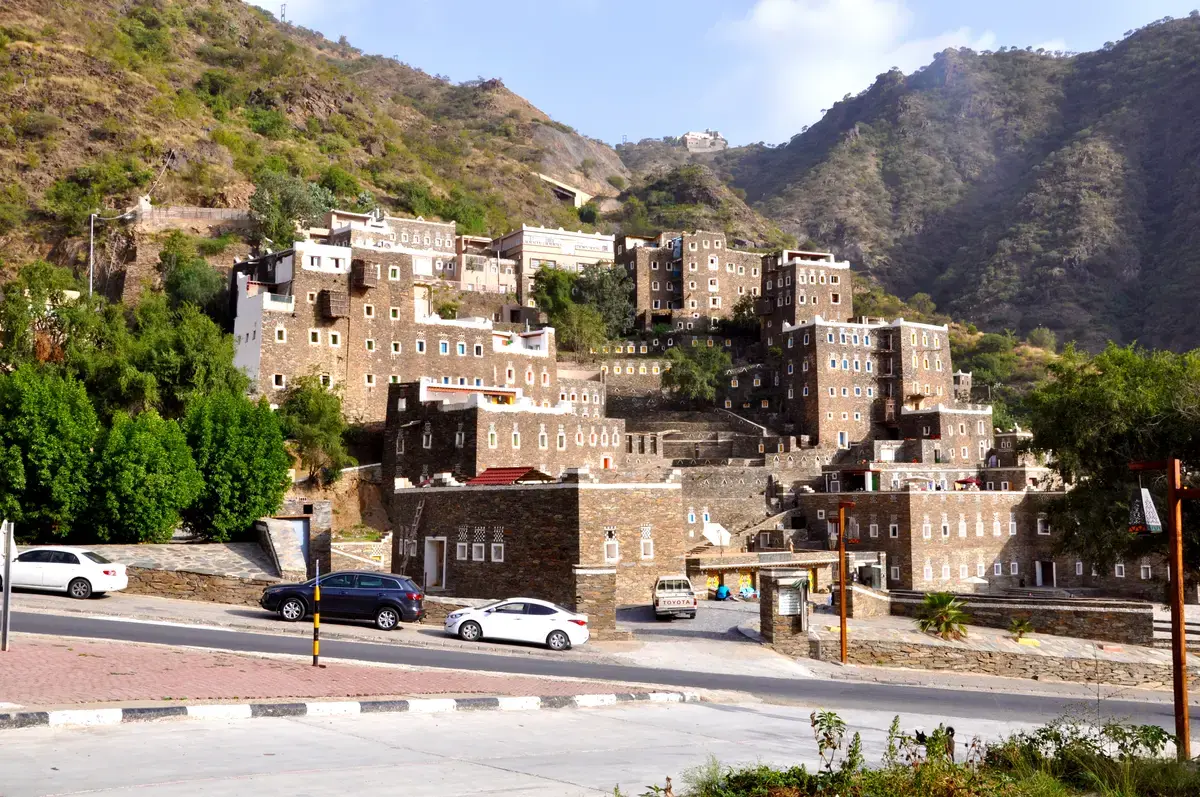
National heritage expands to include, in addition

04

National heritage expands to include, in addition to antiquities, other aspects of human activities whose time periods vary, such as urban heritage, which is considered one of the modern legacies when compared to antiquities that may date back hundreds and thousands of years, but it also remains an ancient human activity for new generations who did not live with it, and it, in its various types, expresses the culture of urban construction and the extent of its difference, distinction, or contrast from one region to another on the map of the Kingdom.

The same applies to the human activity

05

The same applies to the human activity represented by traditional crafts and industries, their origins, components and methodologies, and their ability to absorb and draw inspiration from the environmental requirements that reflect the need for them within the framework of the material heritage concept that expresses the need for the environment on the one hand, and expresses the values ​​of the local community on the other hand.

In addition to (tangible heritage) with its

06

In addition to (tangible heritage) with its elements, tributaries, and components, the concept of national heritage also expands to include (intangible) heritage, such as traditional, popular, poetic, and poetic arts, songs, customs, traditions, and others. However, this (intangible) heritage does not fall within the Authority’s jurisdiction, as it is affiliated with the Ministry of Culture and Information and the Culture and Arts Associations.

Due to the impossibility of a complete

07

Due to the impossibility of a complete inventory of the archaeological sites and scattered villages, which number more than five thousand heritage villages in the Asir Region, in this encyclopedia we suffice with referring to the Encyclopedia of Antiquities, Heritage and Tourist Attractions in the Asir Region, by Dr. Misfer bin Saad Al Khathami, which is in eight parts, published by King Khalid University.

I looked at the encyclopedia and found

08

I looked at the encyclopedia and found it to be extremely wonderful, as it was printed on luxurious paper, and its pictures are excellent, and it is indispensable for anyone interested to own such an encyclopedia.

The researcher divided each part into four chapters as follows: Chapter One: Introduction to the study area in terms of location, borders, area, population, geographical and climatic characteristics, historical characteristics, administrative centers, and the most prominent tourism components.

Chapter Two

09

Chapter Two: To talk about pre-Islamic monuments, such as settlement monuments, stone structures, rock drawings and engravings, trade routes, cemeteries, water (wells, manholes, sewers, dams, and water basins), and fences. Chapter Three: To talk about Islamic antiquities, such as mosques, Islamic inscriptions, and mining antiquities. Settlements, cities, archaeological markets, pilgrimage routes, quarries and mines.

Chapter Four

10

Chapter Four: To talk about the architectural characteristics in each governorate, such as traditional architecture in terms of its elements and factors influencing it, types of architecture (residential architecture: villages, stone, mud, and communal houses), military fortifications (fortresses, palaces, castles, kasbahs, watchtowers, bridges, and models thereof).

Asir villages and museums...the heritage of man and place

Caring for archaeological monuments was among the

11

Caring for archaeological monuments was among the many concerns placed by the relevant government agencies to preserve them as a rich history and heritage for those interested in viewing it and learning about its features and secrets.

Heritage villages and private museums have established

12

Heritage villages and private museums have established themselves as one of the most important tourist platforms in the Asir Region, and have drawn amazement on the faces of visitors to the region through their headquarters scattered in a number of governorates, centers, and countrysides, saving the visitor the trouble of searching and gathering information, and introducing the culture of the person and the place.

These villages and museums have now embraced

13

These villages and museums have now embraced the hobby of collecting heritage, which is practiced by many of the people of the region, through which they compete in the field of the past, presenting the most beautiful and oldest heritages that Asir has been known for over the years, which has made it an important requirement for introducing future generations to the lives of the people of the region in the past and their way of life.

The scattered villages, which number more than

14

The scattered villages, which number more than five thousand heritage villages, and the museums, which number more than 40 museums, have enhanced the region’s tourist status.

Among the most prominent heritage villages are

15

Among the most prominent heritage villages are: Al-Muftaha village “Al-Muftaha Village”, which has been located in the middle of the city of Abha for more than 260 years, with a group of houses attached along the internal and external corridors, was built at that time using traditional methods of construction in the Asir Region, with small openings and thick walls using (raqf) to protect its mud walls from rain, and also provide shade on the facade of its buildings.

It currently includes the Al-Muftaha Fine Arts

16

It currently includes the Al-Muftaha Fine Arts Village, the Al-Muftaha Theater, and the Tuesday Popular Market. In the middle of the village is the Al-Muftaha Archaeological Museum, with its three floors. It was built 150 years ago, and is now one of the Asir Region’s archaeological landmarks that are visited by the people of the region and its visitors.

This palace includes examples of traditional crafts and industries in the region, such as metal casting, gold and silversmithing, blacksmithing, carpentry, and carpentry.

The palace also includes methods and techniques

17

The palace also includes methods and techniques for distilling roses and cadi, which the Asir Region is famous for. By planting it.

Beihan village The heritage village established by

18

Beihan village The heritage village established by the southern heritage enthusiast, Muhammad Member Al-Ahmari, in the Beihan Ballahmar Center, north of the city of Abha, on an area of ​​30,000 square metres, which has become a heritage tourist attraction for visitors to the Asir

Region, is considered one of the largest heritage projects in the region, as it contains a museum that includes 12 sections in various fields, in addition to an agricultural museum, and a heritage inn for the village’s guests, in addition to overlooks, popular squares, and venues for holding events.

Headquarters village The “Al-Maqar” tourist village is

19

Headquarters village The “Al-Maqar” tourist village is located in Al Namas Governorate, and it is the most modern tourist village in terms of concept and design. It occupies an area of ​​1,300 square meters above the Sarawat Mountains, and includes the Andalusian Palace, the Tihami Heritage Village, and the tourist housing building, along with restaurants, rest houses, outdoor views, and a zoo.

The design of the village took into

20

The design of the village took into account the harmony between the ancient Arab and Islamic heritage in Andalusia and the Saudi heritage in the mixing of colors, drawings, and geometric shapes. Men's village “Men’s Village” in Rijal Almaa in the Tihami part of the Asir Region, and it is considered one of the most important heritage villages in the Kingdom, and an important destination for tourists, as more than 50 thousand visitors visit it throughout the year.

The urban heritage is characterized by tall

21

The urban heritage is characterized by tall stone buildings that reach seven floors, and the buildings, together with the surrounding mountainous environment, form a wonderful artistic image that indicates the culture of the local community, the splendor of design, and the precision of construction.

Al Khalaf village The village of Al-Khalaf was chosen to be an archaeological village from among more than five thousand villages and villages in the Asir Region as a model village that must be preserved from extinction.

This is due to the monuments and

22

This is due to the monuments and prominent landmarks it contains that bear witness to a bygone civilization and the story of the struggle that the people of this village lived through.

The Al Khalaf village has its own

23

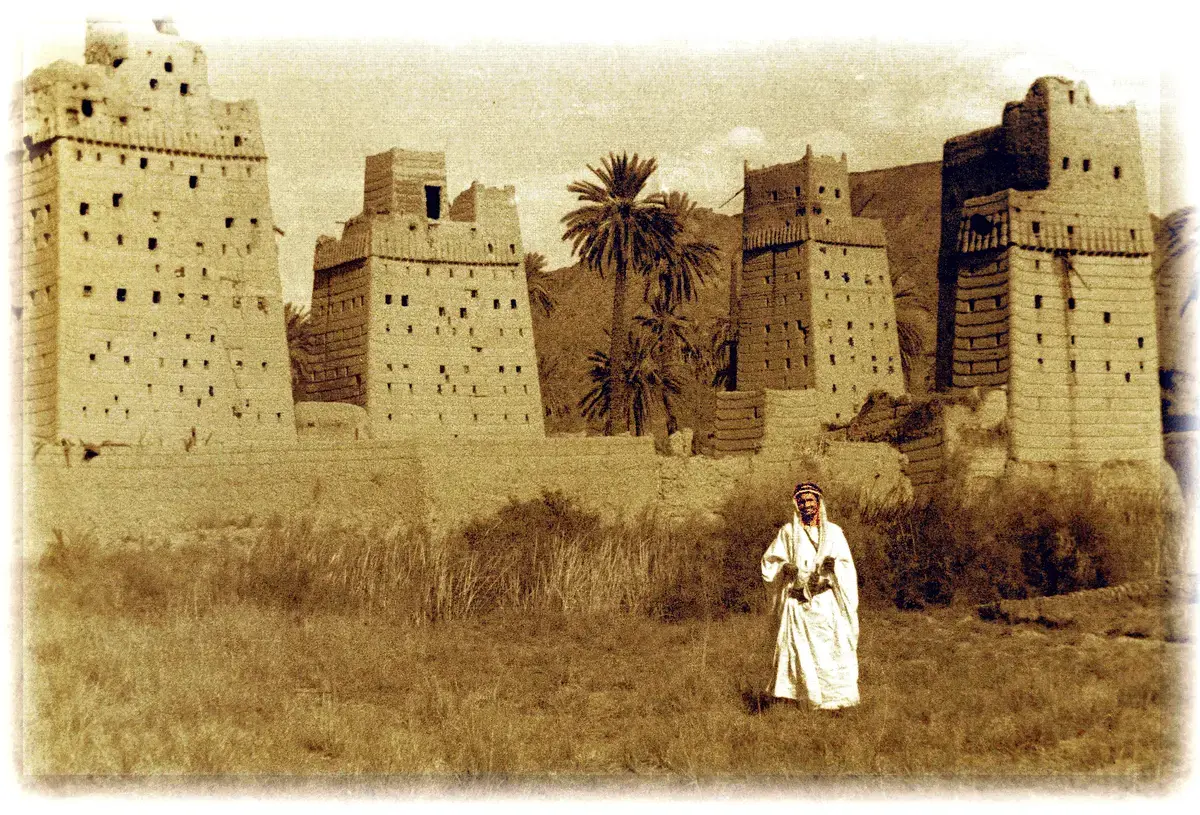
The Al Khalaf village has its own peculiarity in construction, as it has precise implementation, durability, and the ability to withstand natural factors, with a special character in terms of the height of the old buildings, their interconnection, and the multiplicity of their floors, as there are 17 houses intertwined together and having only one roof, penetrated by streets (tunnels and alleys), with many turnings, and interspersed with side openings for lighting.

Tunnels and alleys, and this type of

24

Tunnels and alleys, and this type of construction is unique in Asir Region, as it provides security protection for the villagers during wartime. It is considered one of the archaeological treasures that is fragrant with its history.

On 5 Safar 1442 AH, corresponding to

25

On 5 Safar 1442 AH, corresponding to September 22, 2020 AD, His Royal Highness Prince Turki bin Talal bin Abdulaziz, Emir of the Asir Region, Chairman of the Region Development Authority, witnessed the signing of a contract to develop a number of heritage villages within the “Humanization of Heritage Villages” project in the Asir Region, emerging from the urban landscape work in Asir.

The signing of the contract included the development of

26

The signing of the contract included the development of: 1 - Al-Akkas village, west of Abha: Development work includes rehabilitation of Al-Akkas village, work on Al-Badi Museum, Al-Akkas Heritage Library, the village mosque, the ancient mosque, the popular market, pedestrian walkways, and a climbing route.

2 - Al-Qarya village in Tanomah Governorate: The development work includes the construction of commercial shops, hotel chalets, an arena for celebrations, and the development of heritage buildings and the old mosque in the village.

3 - Al Khalaf Village in Sarat Abidah Governorate

27

3 - Al Khalaf Village in Sarat Abidah Governorate: The development work includes adding a hotel, a visitor center, spaces for celebrations, a library, a village museum, a popular restaurant, hotel chalets, parking lots, and commercial stores.

4 - Al Yanfa Village: The development work includes the events and occasions square, the village council, preserving its heritage, adding a heritage museum to the heritage village’s exhibits, parking lots, refinishing non-heritage buildings and unifying their colors to suit the nature of the place.

Implementation will take place within a full

28

Implementation will take place within a full year from the time the sites are received by the implementing agency.

The “Humanization of Heritage Villages” project aims

29

The “Humanization of Heritage Villages” project aims to highlight the national identity and transmit it to future generations, revive heritage sites, facilitate access to them for everyone, increase the number of heritage villages registered in the World Heritage Organization (UNESCO), and strengthen the economic base of

Asir, as the executive plans include developing the general plan, roads and movement paths leading to the villages, coordinating sites and selecting specific buildings for restoration, and the possibility of developing new buildings, in

addition to the comprehensive development of the

30

addition to the comprehensive development of the infrastructure in each village with Setting directional signs, and all of this will be in partnership with the villagers and in coordination with the relevant government agencies.

Museums

The interest in museums and monitoring their

31

The interest in museums and monitoring their development comes as a result of the Authority’s strategy and what it has undertaken to transfer this science from closed and unknown halls, to museums that fulfill the mission for which they were established, and are visited by many visitors and residents. Indeed, these museums have begun to move towards national participations, regardless of their names and importance.

Asir Regional Museum The first regional museum of an official nature owned by the Saudi Commission for Tourism and National Heritage.

It occupies an area of ​​3,400 square

32

It occupies an area of ​​3,400 square meters in the center of the city of Abha, adjacent to the Emirate of Asir Region, and contains eight main halls as follows: The first reception hall. The second hall of the region’s antiquities, heritage and natural history. The third hall: prehistoric times and the dawn of history. The fourth hall is dedicated to pre-Islamic times. The fifth hall is dedicated to the history of the region during the Islamic period.

The sixth hall: The history of the Saudi state in its three phases.

The seventh hall is dedicated to displaying

33

The seventh hall is dedicated to displaying the popular heritage of the region. The eighth hall is designated for lectures and seminars. And visiting and temporary offers. Shada Palace Museum Shada Palace is an old building built in 1930 AD, in the middle of the city of Abha, next to the Asir Emirate building. It was turned into a museum, a popular museum concerned with the heritage of the region.

It provides its services to visitors, vacationers

34

It provides its services to visitors, vacationers, school students, official delegations, and researchers by order of Prince Khaled Al-Faisal, Emir of the Asir Region. It was officially opened on 1/3/1408 AH. It consists of four floors that include many ancient tools used in agriculture, weapons, and fashion. Beautiful folk art, some manuscripts, deeds, and old coins, in addition to a photo gallery about the city of Abha in various historical stages.

Private museums

Asir Region is full of many museums

35

Asir Region is full of many museums that receive visitors every tourist season and throughout the year, the most prominent of which are: “Al-Raqidi Museum”: It is located on the road leading to the summit of Mount Dharrah in the center of Abha. The museum consists of nine sections, starting with copperware, old silverware, women’s necklaces and jewelry, along with a collection of traditional clothes.

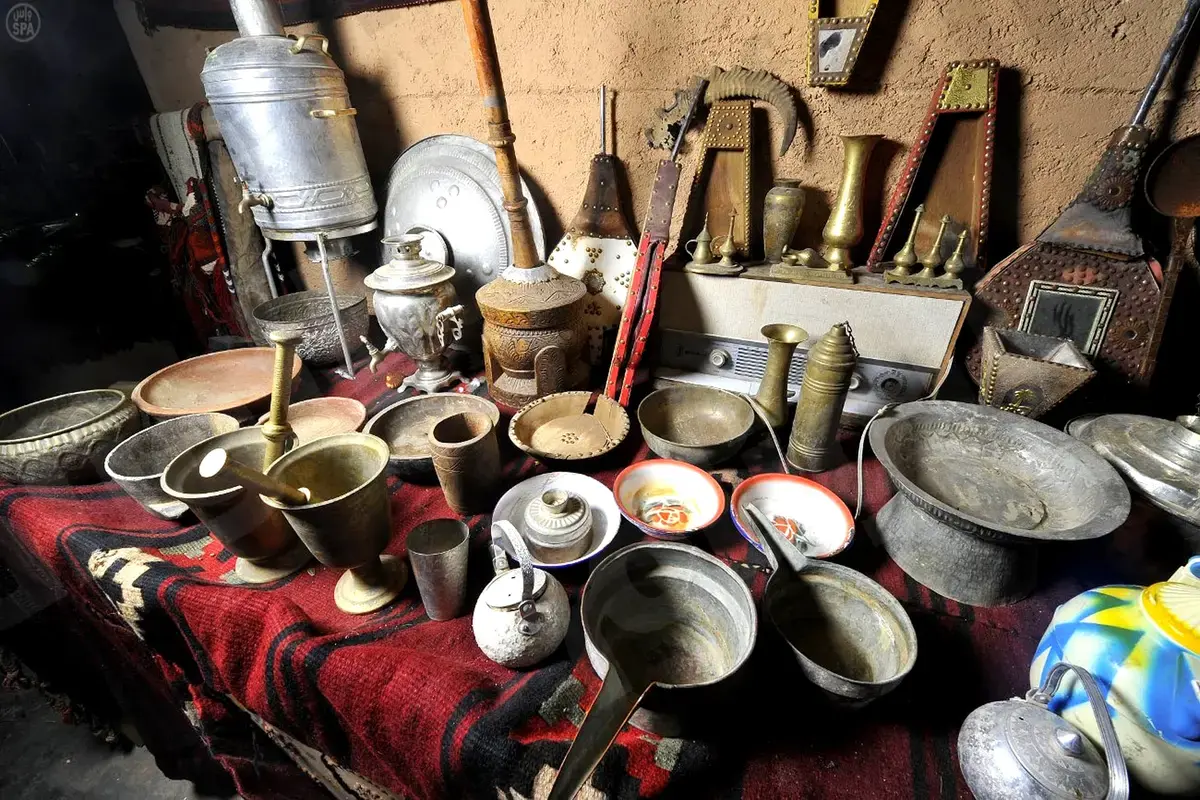
The museum also contains old cooking utensils, agricultural tools, and handicrafts.

Balqarn Heritage Museum

36

Balqarn Heritage Museum: It consists of an old building constructed of stone, and a spacious courtyard with four rooms containing old exhibits displayed in the old style for which they were used. The exhibits consist of four heritage collections: weapons, swords and rifles, coffee making tools, old coins and paper money, a collection of old photos and documents, and old electrical appliances.

Dar Almaa Museum for Culture and Heritage in Rijal Almaa

37

Dar Almaa Museum for Culture and Heritage in Rijal Almaa: It was established by the people of the village in 1405 AH to preserve the heritage of the region, in Fort Al Alwan after the increase in migration from the village to the city. Professor Muhammad Gharib took over the collection of collectibles, and the interior of the palace was engraved under the supervision of the artist Fatima Abu Qahs, may God have mercy on her.

The museum includes 20 sections, and it was opened in 1407 AH.

It is one of the richest and

38

It is one of the richest and most diverse museums in terms of assets and methods of display. It consists of several floors, and has two halls and a warehouse. The first hall includes documents and currencies during the periods of Saudi rule, Arab, Gulf, and foreign currencies, in addition to a large collection of old stamps, archaeological manuscripts, and a number of old books.

The other hall contains more than 700 displayed pictures, local heritage pieces, utensils and lighting lanterns. And ancient weapons.

Al Namas Museum

39

Al Namas Museum: One of the best Asir museums, it is located in the old neighborhood, which is adjacent to ancient palaces and historical forts. This neighborhood is considered a wonderful architectural masterpiece, dating back approximately 250 years. It is composed of five floors and contains more than 2,000 artifacts.

“Al Soufan Museum”: It is one of the best museums in Asir and is located in the old neighborhood, which is adjacent to ancient palaces and historical forts.

This neighborhood is considered a wonderful architectural

40

This neighborhood is considered a wonderful architectural masterpiece and dates back approximately 250 years. It consists of five floors and contains more than 2,000 artifacts. “Generations Museum”: It consists of a building with two halls that include a variety of heritage exhibits in glass cabinets, which are displayed in an innovative way.

The museum contains ancient manuscripts, historical documents, traditional clothing, ancient weapons, telephones, agricultural and cooking tools, parallel bars, brass instruments, and leather goods.

Al Shifa Museum

41

Al Shifa Museum: It consists of three main halls, each of which is divided into two wings. The first wing contains leather goods, and the second contains cooking tools and old utensils. As for the second hall, the first wing contains ancient weapons, swords and daggers, the second wing contains a collection of jewelry and decorative tools, and finally in the third hall there are agricultural and blacksmithing tools and copper tools.

Throne Heritage Museum It consists of a

42

Throne Heritage Museum It consists of a large building with two floors built of ancient heritage stone, which was used in building houses in the Asir Region. The museum includes 9 different rooms containing 1,000 artifacts. Heritage Village Museum It consists of a popular courtyard consisting of three floors.

The first and second floors include four

43

The first and second floors include four halls, while the third floor is an artistic hall that includes in one of its corners various engraved stones, which contain ancient Arab coffee and hospitality tools, including a dal and two special cups, agricultural tools, woven pieces of wicker, stone, wooden and pottery utensils, jewelry and decorative tools, and a number of old coins.

A private museum in Al Namas Governorate

44

A private museum in Al Namas Governorate occupies one of the old houses of the Al-Asbli family, known for its important role in hosting the past before the eyes of people today, and it is supervised by the Education Department.

Fort Tanomah Heritage and Archeology Museum Beni

45

Fort Tanomah Heritage and Archeology Museum Beni Amr Palace Archaeological Museum Some of these archaeological museums contain some of the messages of the Messenger, may God bless him and grant him peace, and some agricultural tools, jewelry, ancient weapons, clothes, household utensils, and many things that were manufactured and used in the past.

The King Abdulaziz House project was recently launched to document historical sources in the Asir Region in general and the history of families known for their scholars and historians.

At the inauguration ceremony, His Royal Highness

46

At the inauguration ceremony, His Royal Highness Prince Khaled Al-Faisal confirmed that the region is rich in historical sources and loyal people. There are also wonderful beacons in some parts of this precious region in preserving the nation’s heritage and caring for it.

Some loyal citizens carried out continuous work

47

Some loyal citizens carried out continuous work, within the limits of their capabilities and from their own pockets, to preserve the heritage to highlight the history of our country and make it available to the public at that time: 1 - The museum established by Brother Fayez Abdullah Dahdouh Al-Shehri, where he transformed his house and farm into history, heritage, and the nation.

He even devotes his time to people

48

He even devotes his time to people, including visitors and students, in order to connect them with history and traditions that have been forgotten by time due to development, and brings back the past in his wonderful style through the tent, its traditional sitting room, and the museum, which includes many ancient collectibles. 2 - The Palace of Civilizations, which was established by Professor Muhammad Al-Muqri.

It serves the local and Islamic heritage

49

It serves the local and Islamic heritage, filling it from the inside with beautiful inscriptions and various collectibles, and decorating it from the outside to attract the attention of visitors with its beauty and its overlooking location on the edge of the wonderful Tihama. 3 - The Museum of the ancient palaces that still exist in Rijal Almaa, which was established on the initiative of some of the people and intellectuals of Rijal Almaa.

Most of them consist of several floors

50

Most of them consist of several floors, up to six floors, and are built of stone and clay, like the Diriyah Palace and the Riyadh Palace. One of these palaces has been transformed into a folklore museum under the name Al-Ma’ Al-Damen Heritage Exhibition, and it contains 2,800 valuable artifacts. 4 - Bin Hamsan Heritage Village, in Khamis Mushayat, which was established by Dhafer Bin Hamsan.

This heritage village has become a cultural landmark in the Asir Region in general and the Khamis Mushhait Governorate.

The Heritage Museum

51

The Heritage Museum: It contains many rare archaeological pieces and a large number of ancient manuscripts. 5 - Professor Muhammad Hassan Ghareeb worked at Rijal Almaa for twenty years to document plants in the region and their temporal and spatial connotations. He recorded this in a special issue issued by the King Abdulaziz Foundation to become a specialized reference in plants and popular traditions related to them, as mentioned in ancient dictionary sources.

6 - Mr.

Muhammad Ahmad bin Mutaq Al-Qahtani, from the

52

Muhammad Ahmad bin Mutaq Al-Qahtani, from the Bani Bishr tribe in Al-Sarat Governorate, preserved many elements of the national heritage in his private home, where history and heritage occupied several private rooms that could have been an important part for his family. In addition to the Al-Shifa Museum, the Heritage Throne Museum, the Heritage Village Museum, and the Cat Museum.

Many citizens in the region have worked to monitor and document the history of the Asir Region, including Sheikh Hashem Al-Naami, Professor Dr.

Abdullah Abu Dahesh, Professor Yahya bin Hassan

53

Abdullah Abu Dahesh, Professor Yahya bin Hassan Al Ayed, Professor Abdul Khaleq Al-Hafzi and many others.

Category: عسير