A look at Asir's history

A look at Asir's history

The ancient history of the region, which was spoken about by various sources, indicates that the society in the Asir Region is considered a tribal society that was formed from an...

The ancient history of the region, which was spoken about by various sources, indicates that the society in the Asir Region is considered a tribal society that was formed from an alliance of a number of famous Arab tribes that settled in the region located in the southwest of the Arabian Peninsula, and was known as Asir, in reference to a person from the Adnanis called Asir bin Isa bin Sajara, as mentioned in some accounts, while other accounts say that it is in reference to the nature of the mountainous region, the ruggedness of its paths, and the Asiry and windingness of its roads.

1Sections
6Images
4339Characters
عسيرCategory

A look at Asir's history

The ancient history of the region, which

01

The ancient history of the region, which was spoken about by various sources, indicates that the society in the Asir Region is considered a tribal society that was formed from an alliance of a number of famous Arab tribes that settled in the region located in the southwest of the Arabian Peninsula, and was known as Asir, in reference to a person from the Adnanis called Asir bin Isa bin

Sajara, as mentioned in some accounts, while other accounts say that it is in reference to the nature of the mountainous region, the ruggedness of its paths, and the Asiry and windingness of its roads.

The presence of civilization in the Asir

02

The presence of civilization in the Asir Region dates back to distant eras in history, as the remaining traces throughout the region indicate the connection of this civilization with the civilizations that existed in the south of the Arabian Peninsula, Persia and others, and the history of the Asir

Region bears the imprints of many civilizations that passed through the region from pre-Islamic times, or that settled in it for periods of time, and were linked to other civilizations that were around it, especially since Asir was a corridor for commercial caravans that crossed the mountains.

And the slopes between the Hijaz and

03

And the slopes between the Hijaz and Yemen, and this explains the presence of antiquities that refer to those civilizations in many sites in Asir, including drawings, inscriptions, writings, castles, buildings, and excavations dating back to the pre-Islamic era. The ancient city of Jerash, of which only ruins remain spread on the foot of Mount Hamuma at the top of Bishah bin Salem, is considered the most prominent witness to this civilization.

Al-Hamdani spoke about it in (The Description

04

Al-Hamdani spoke about it in (The Description of the Arabian Peninsula) and Al-Istakhri in (The Paths and Kingdoms) as a metropolis of Azd al-Sarat, and a commercial city located on the Najran-Taif-Mecca road, and it includes a number of textile factories and leather tanneries. Among the Azd kings, Malik bin Al-Kalaa, the king of Azd, became famous there. He was a contemporary of the Sabaean king Shammar Ya’arash (275-300 AD).

He mentioned him in his inscription that

05

He mentioned him in his inscription that was found in the year 1377 AH in Ma’rib as one of those he met and sympathized with in fighting the Persians, whom it is mentioned that he invaded in their homeland and attacked Kuk, and he was described as the two kingdoms of Persia.

The archaeological city of Al-Jahwah, which is

06

The archaeological city of Al-Jahwah, which is located to the west of the city of Al-Namas on the edge of the Al-Namas Valley in the country of Bani Shahr, 150 km from Abha, and the remains of its impenetrable wall built with huge stones still bear witness to it, as well as the remains of furnaces and iron slag, which indicate that the inhabitants of this city practiced the profession of mining.

Al-Hamdani mentioned it in his book ((Description

07

Al-Hamdani mentioned it in his book ((Description of the Arabian Peninsula)) in the year 320 AH, and he said ((There is a great city called Al-Jahwah, which is the largest city in All of Al-Sarat, which is from the famous city of Jerash, and its owner was Jabir bin Al-Dahhak Al-Rai’i Al-Shahri from Banu Athila bin Nasr bin Rabi’a bin Shahr bin Al-Hajar, and it was the capital of a small sultanate, and this city remained populated until the ninth century AH)).

The many inscriptions and writings on stones

08

The many inscriptions and writings on stones and rocks discovered in many places in the Asir Region also attest to the importance of the history of the region, and there are also many other important monuments in the Asir Region from later periods, such as castles and fortresses that were called (Al-Nasib or

Al-Qasib), which were built with stones in specific locations for security purposes such as defense and surveillance to repel attacks by enemies and thieves during the periods of loss of security that spread across the country before the establishment of the Kingdom of Saudi Arabia, in addition to the palaces, a number of which still remain today.

The houses built with stones and mud

09

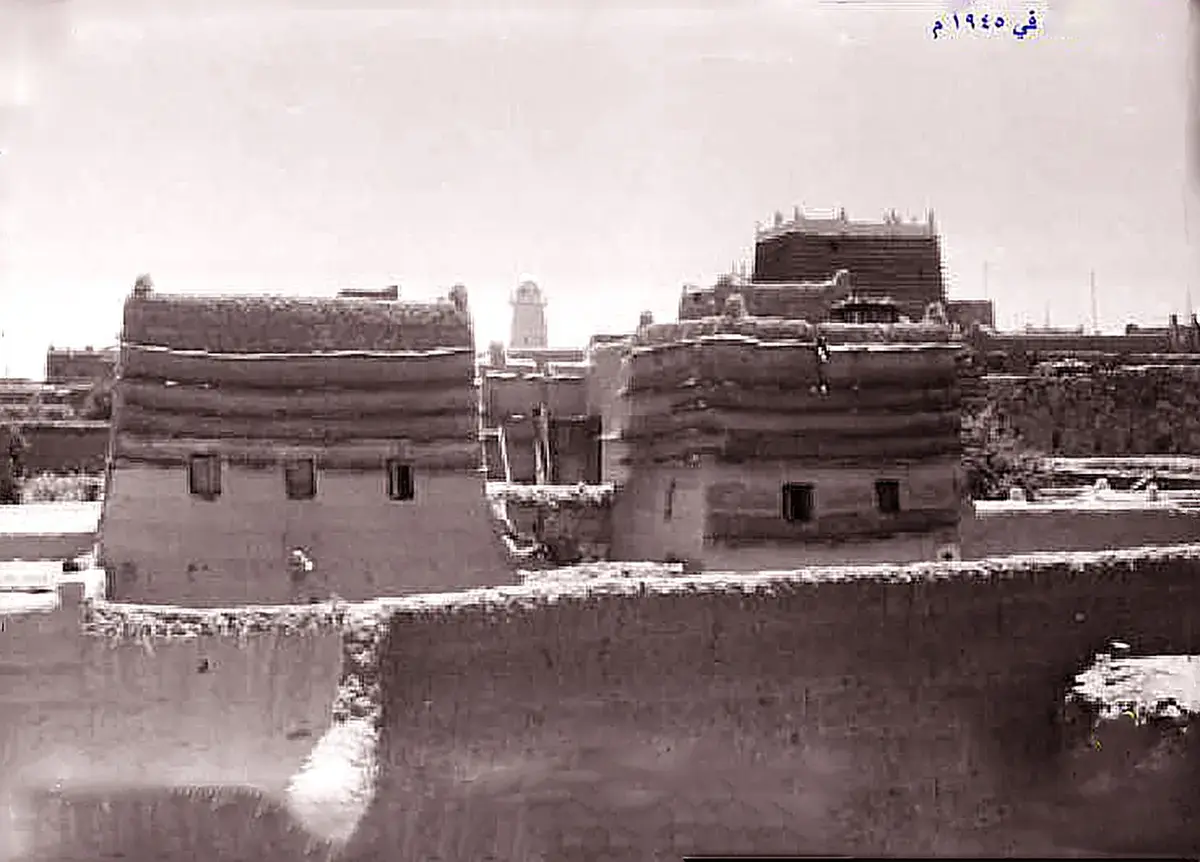
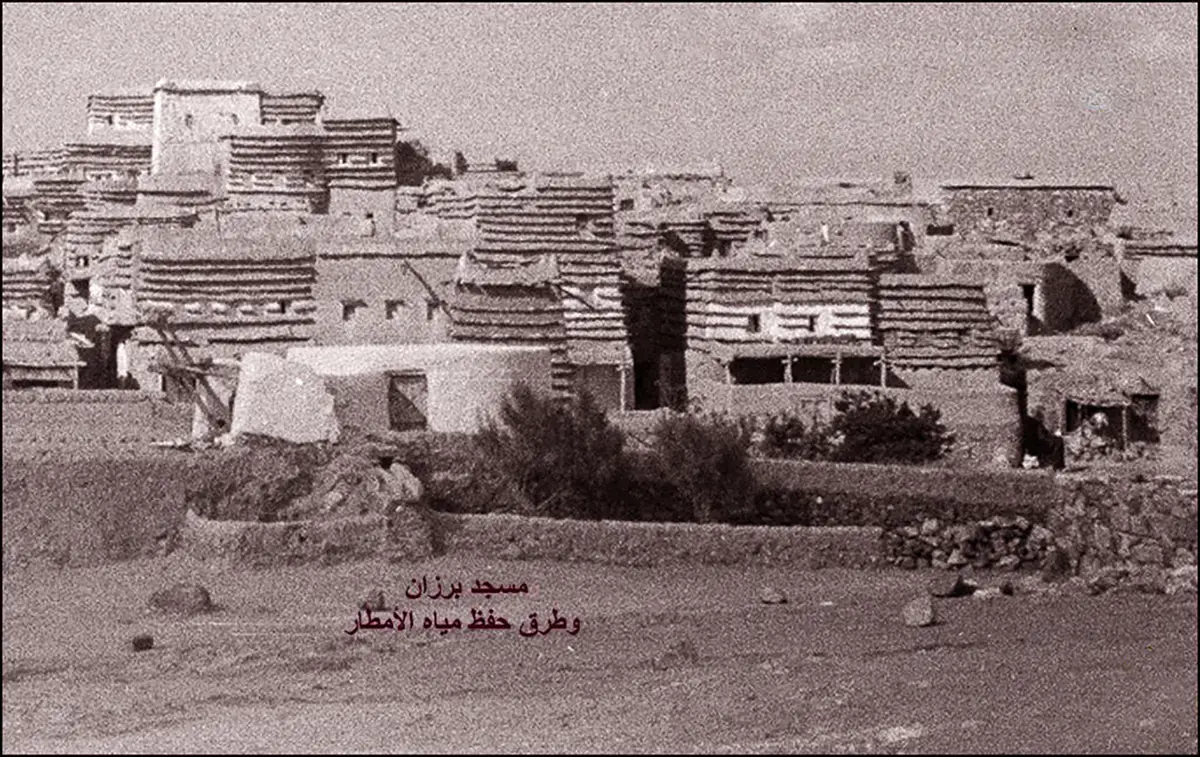
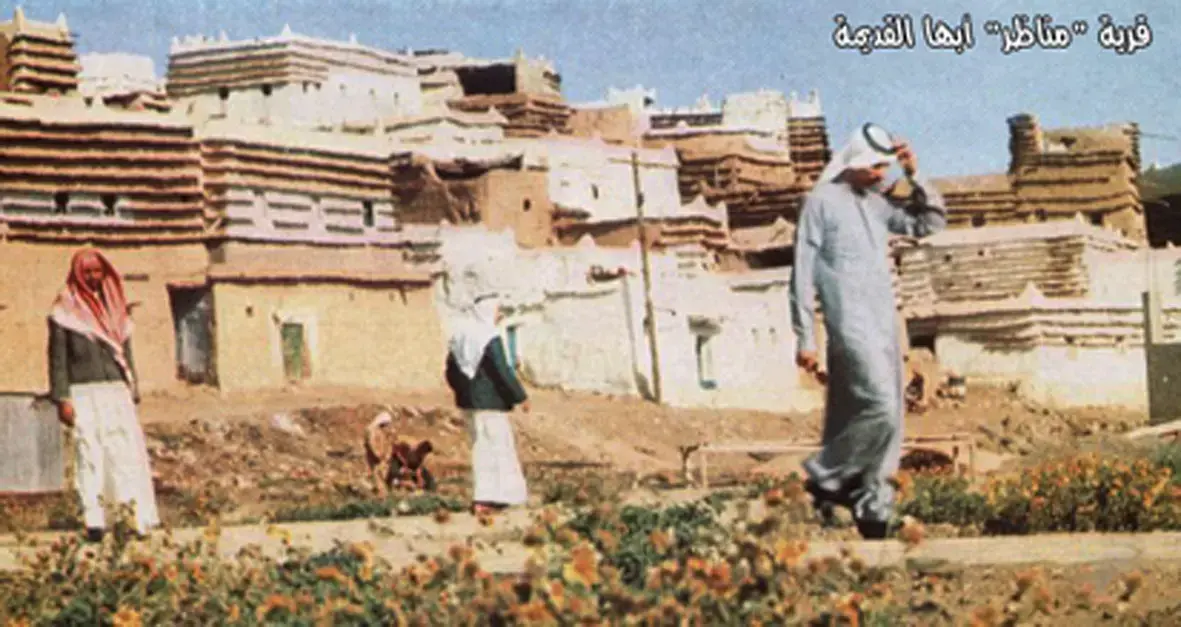
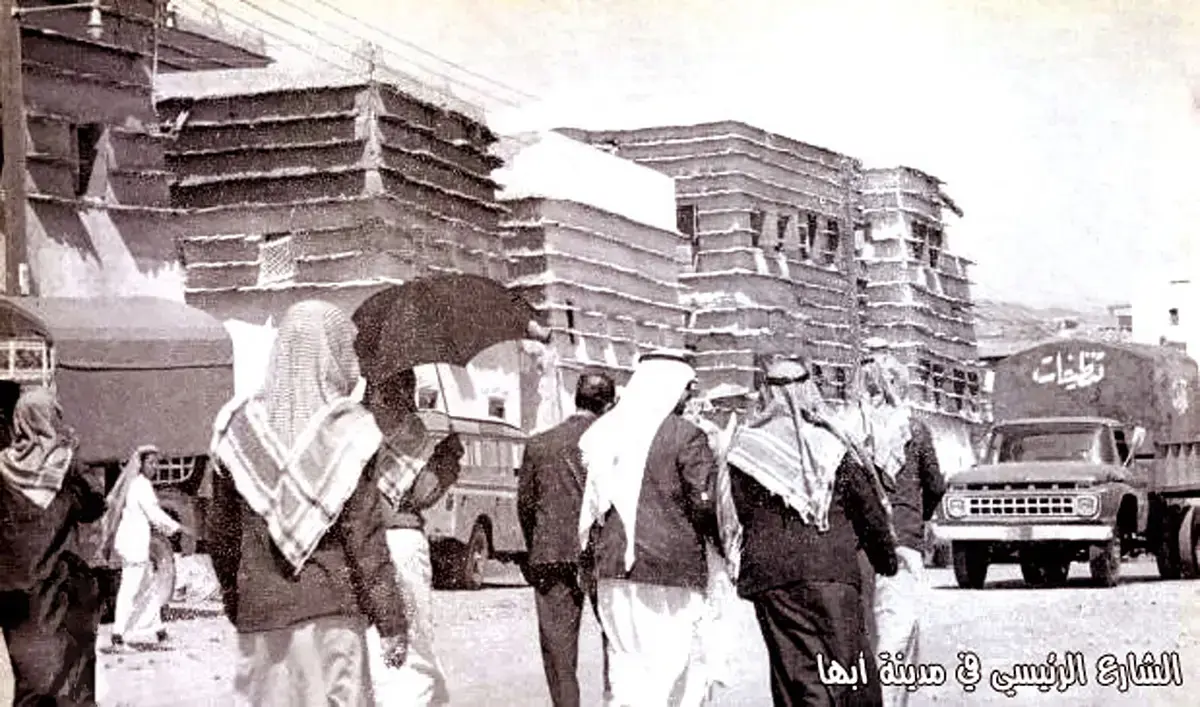
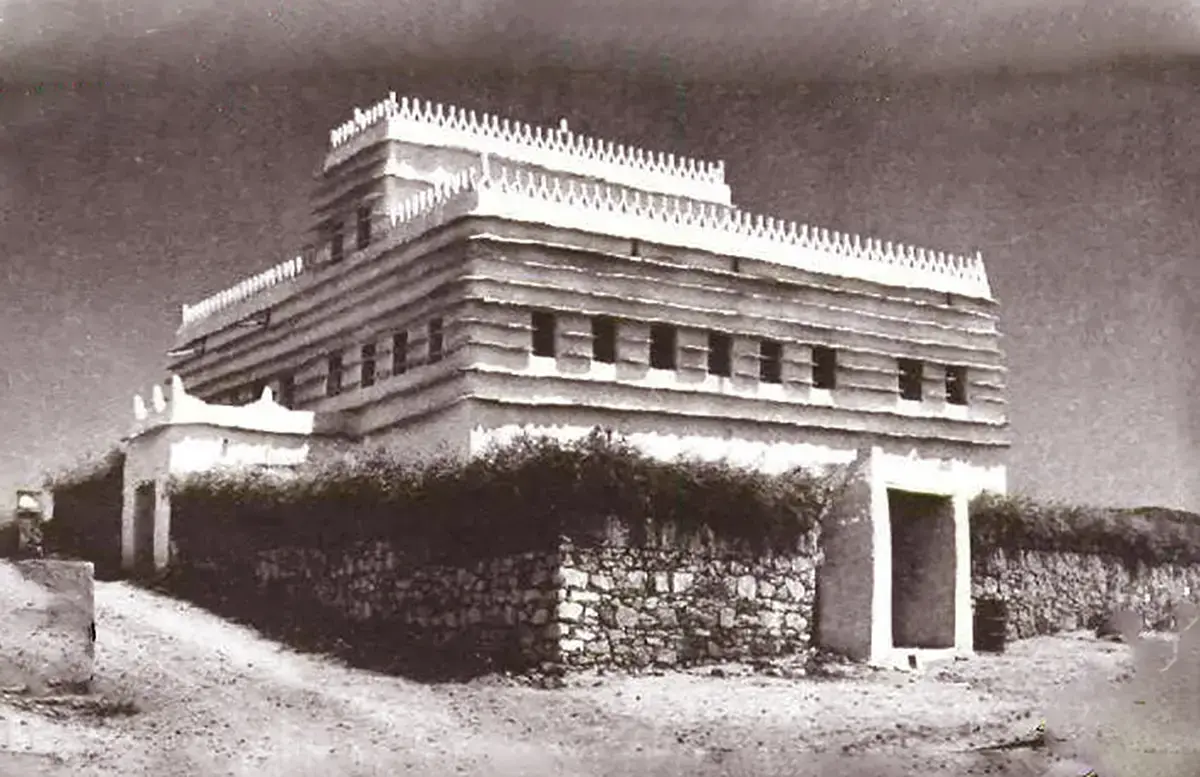
The houses built with stones and mud on the slopes of mountains and other things are considered important landmarks of the beautiful urban patterns in the region, as well as archaeological cemeteries. The archaeological and cultural evidence found and scattered in a number of sites throughout the region indicates that its inhabitants, who are of fixed Arab origins, lived types of settled life, and established urban entities whose features still exist today.

The nature of the region and its

10

The nature of the region and its living conditions contributed to the emergence of societies with certain characteristics that live in population centers, villages, and cities with a special urban character, and were distinguished by the popular housing and palaces that they established, along with forts designated for surveillance and defense.

It is compatible with the nature of the region, which consists of mountains, valleys, fertile plains, a moderate climate, and abundant rain.

Thus, it is considered one of the

11

Thus, it is considered one of the most densely populated regions of the Arabian Peninsula, who were interested in agriculture, transforming the mountain slopes into agricultural terraces, and raised livestock to take advantage of the green pastures that extend over vast areas. They also built dams to store rainwater and engaged in trade and some forms of industry.

The administrator of Asir, Suleiman Shafiq Kamali

12

The administrator of Asir, Suleiman Shafiq Kamali Pasha, confirms in his memorandum that the Asir Region is a region of art and civilization from ancient times, and that the Asir civilization is older than the civilization of Yemen, but it disappeared in the darkness of history and disappeared, because the Asir Region was in the path of the Asian nations that were attacking Yemen.

It is worth noting that most of

13

It is worth noting that most of the monuments in the cities and villages of the Asir Region are similar in their architectural style, the tasks for which they were established, the style in which they were carried out, and the materials used in their construction.

This applies to castles, forts, towers, palaces

14

This applies to castles, forts, towers, palaces, residential houses, and ancient tombs, as well as inscriptions, drawings, and historical writings on the rocks, which indicates that the history of the region is one, and the nature of the social, economic, and cultural life that prevailed in it goes back to one origins. A governorate, center, or village is devoid of a monument or landmark.

Category: عسير