A day in the life of an Asir woman
Previous Next Back to index العربية
A day in the life of an Asir woman

A day in the life of an Asir woman

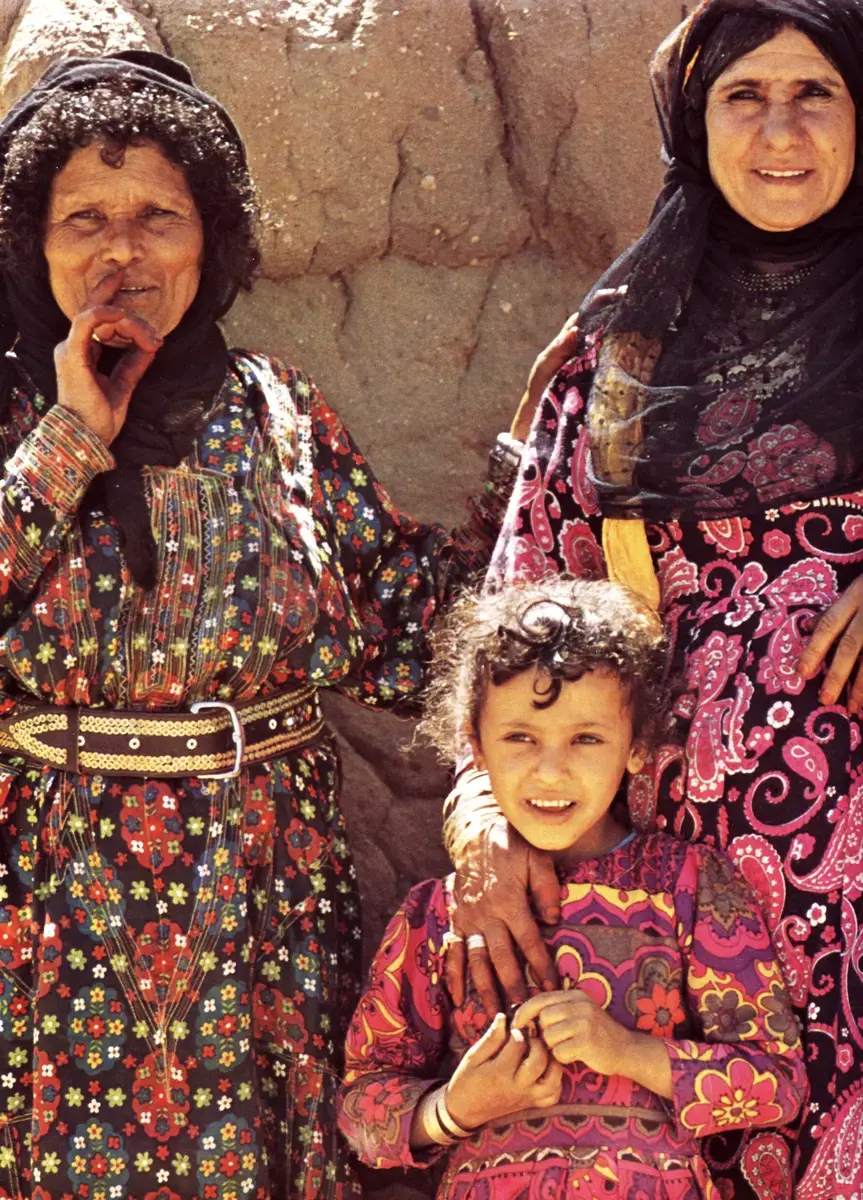
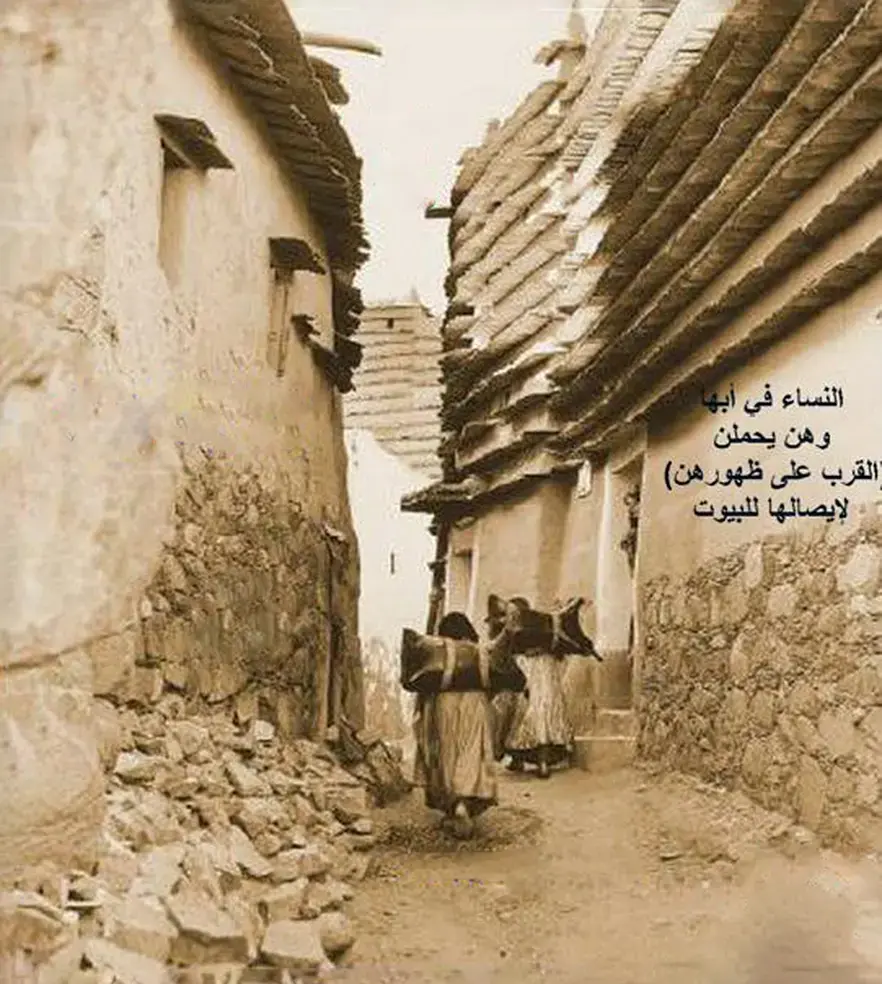
Women's life in the past in the Asir Region was very arduous, as it was everything. Women used to work from the dawn prayer until the evening prayer and did not stand up.

Women's life in the past in the Asir Region was very arduous, as it was everything. Women used to work from the dawn prayer until the evening prayer and did not stand up. The woman's daily schedule was unbearable, and women today cannot do a quarter of what women did in the past. In the past, the woman would wake up before the dawn prayer and feed the cows or feed them, that is, give them fodder, milk the sheep, and prepare coffee for her husband.

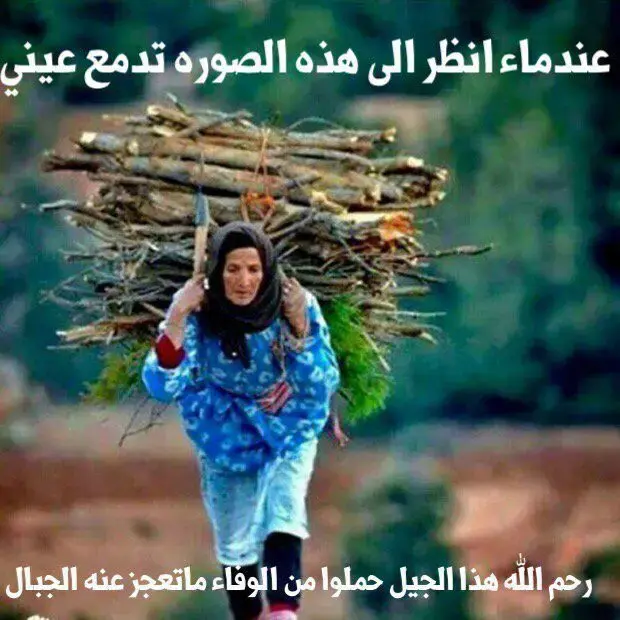
As soon as he drank the coffee, he would go to the mosque, and from the mosque he would go to the farm, or go with his sheep or his work if he was a builder, craftsman, weaver, or whatever job he belonged to. As for the woman, she would go from her home, carrying with her a rope, a stuffed animal, or an axe, and she would go to the mountains to gather firewood and get bundles of wood. Grass and fodder, and she returns loaded on her back with firewood or grass in the forenoon, that is, she is at home around 8 a.m.

1Sections
6Images
2563Characters
عسيرCategory
A day in the life of an Asir woman
A day in the life of an Asir woman - 1
A day in the life of an Asir woman
A day in the life of an Asir woman - 2
A day in the life of an Asir woman
A day in the life of an Asir woman - 3
A day in the life of an Asir woman
A day in the life of an Asir woman - 4
A day in the life of an Asir woman
A day in the life of an Asir woman - 5

A day in the life of an Asir woman

Women's life in the past in the

01

Women's life in the past in the Asir Region was very arduous, as it was everything. Women used to work from the dawn prayer until the evening prayer and did not stand up. The woman's daily schedule was unbearable, and women today cannot do a quarter of what women did in the past. In the past, the woman would wake up before the dawn prayer and feed the cows or feed them, that is, give them fodder, milk the sheep, and prepare coffee for her husband.

As soon as he drank the coffee

02

As soon as he drank the coffee, he would go to the mosque, and from the mosque he would go to the farm, or go with his sheep or his work if he was a builder, craftsman, weaver, or whatever job he belonged to. As for the woman, she would go from her home, carrying with her a rope, a stuffed animal, or an axe, and she would go to the mountains to gather firewood and get bundles of wood.

Grass and fodder, and she returns loaded on her back with firewood or grass in the forenoon, that is, she is at home around 8 a.m.

today, and after she puts this load

03

today, and after she puts this load of fodder off her back, she does not find time to breathe a sigh of relief, but rather she has to return to the bundle of firewood that she has prepared, carry it, and return home again, and after she puts this load off her back, she goes to her cow, offers her the forage forage, and prepares a bowl of clay from the utensils. The cow milks and gives her help, if any, to churn the milk.

She then goes and lights a fire with wood and prepares bread from whatever she can, usually from wheat, barley, or corn.

Once she finishes preparing breakfast, the husband

04

Once she finishes preparing breakfast, the husband, who is exhausted by the troubles of work, comes and eats breakfast and returns to work or rests. He has the choice. As for the woman, she has no choice. Rather, she must complete her daily schedule and carry on her back a waterskin that can hold forty or fifty liters of water.

She goes to the well, which is about a kilometer away from the house, and lowers her bucket into the well, which reaches a depth of 30 meters. She pulls out the bucket and pours it into the waterskin.

The women at the well help and

05

The women at the well help and hold the waterskin for each other. If she finds no one at the well, she fills it on her own, then closes the waterskin, carries it on her back, heads to the house, and then gives birth to her. She empties her waterskin into the pot or the tap, and perhaps takes two or three other waterskins in one day. Once she finishes, she goes and collects the wood, lights a fire, and prepares lunch in the afternoon.

After she finishes lunch, she returns to

06

After she finishes lunch, she returns to the place of the sheep, cows, and other livestock and begins cleaning the dung, packs it in bags or rakes, and carries it to a site called the dungeon or jathwa. She throws these animal remains into this dunghill and returns to cleaning the house and the yard ((the courtyard)).

The courtyard in front of the door of the house, and she continues to work until the call to prayer for sunset, and the husband and children have returned, exhausted from their work, and they are relaxing.

She continues to prepare the evening meal

07

She continues to prepare the evening meal, which is usually porridge, broth, milk, ghee, or crusty bread. Once the time for the evening prayer is over, everyone gathers around the basil (fire stove) and by the light of the fire, the lantern, and the tongues of the plug, and they chat, but no matter what, they fall asleep due to the severity of what has befallen them throughout the day, and only the housewife who remains awake.

She watches over the mill grinding grains to get the flour she will prepare for breakfast, and so on.

Category: عسير
Previous Back to index Next