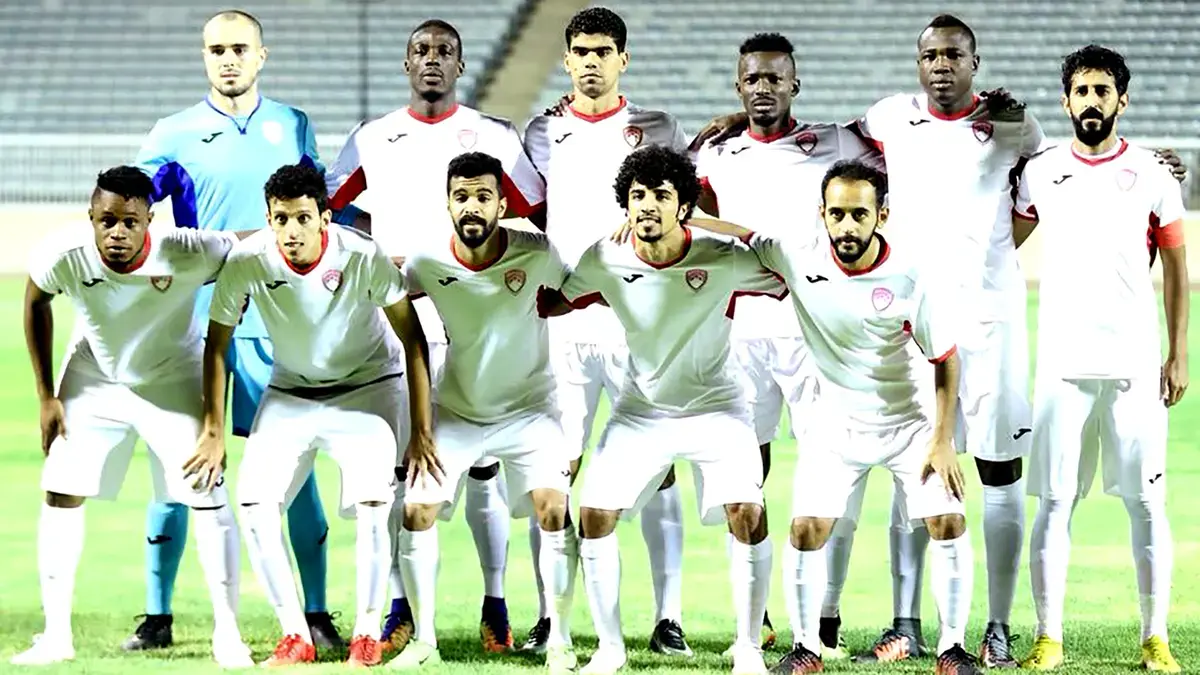
Sports and youth

Sports and youth

Because youth are the nation's most precious human resources, as they are in the stage of adolescence and the beginning of the youth stage,

Because youth are the nation's most precious human resources, as they are in the stage of adolescence and the beginning of the youth stage, a reserve force that prepares itself to assume the tasks of life, and whatever the youth are, the future of the nation will be. The General Presidency of Youth Welfare has sought to absorb the energies of the youth, through youth institutions, to nurture their energies, develop their abilities and talents, and pay attention to their talents and inclinations.
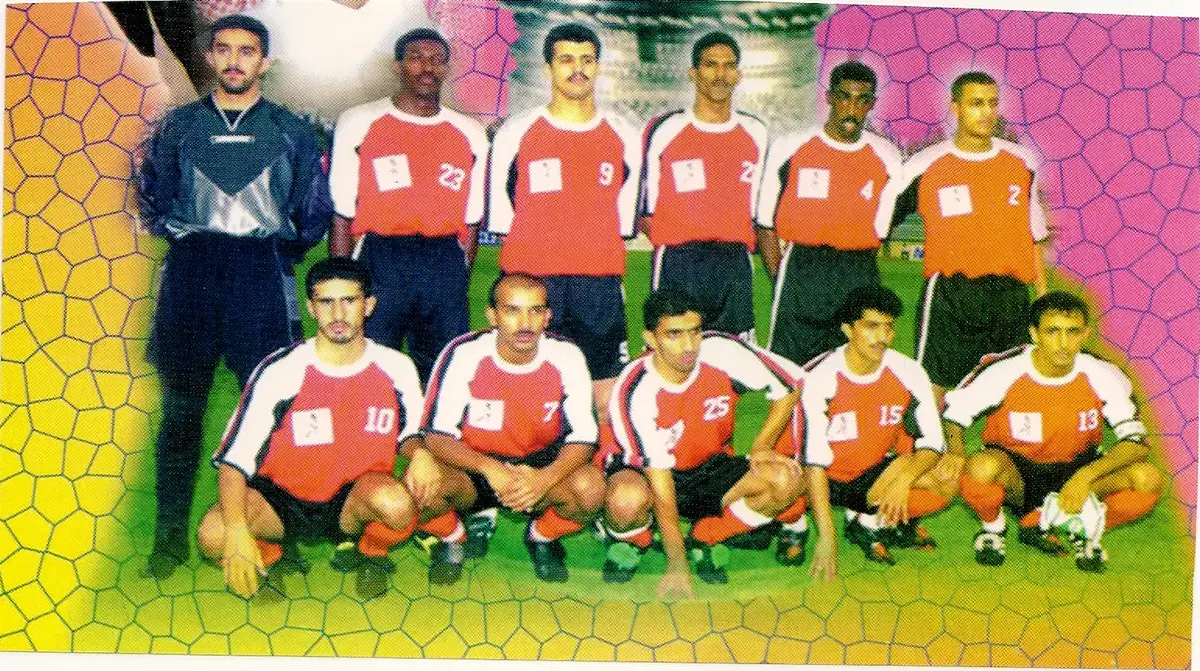
In the year 1391 AH, a youth welfare office was opened in Abha, linked to the youth welfare branch in the western region. In the year 1394 AH, the office was transformed into a main office serving the southern region, and then other offices were opened in the region linked to the main office in Abha.

2Sections
2Images
6376Characters
عسيرCategory

Sports and youth

Because youth are the nation's most precious

01

Because youth are the nation's most precious human resources, as they are in the stage of adolescence and the beginning of the youth stage, a reserve force that prepares itself to assume the tasks of life, and whatever the youth are, the future of the nation will be.

The General Presidency of Youth Welfare has sought to absorb the energies of the youth, through youth institutions, to nurture their energies, develop their abilities and talents, and pay attention to their talents and inclinations.

In the year 1391 AH, a youth

02

In the year 1391 AH, a youth welfare office was opened in Abha, linked to the youth welfare branch in the western region. In the year 1394 AH, the office was transformed into a main office serving the southern region, and then other offices were opened in the region linked to the main office in Abha.

The Youth Welfare Office in Abha supervises

03

The Youth Welfare Office in Abha supervises various youth sports and cultural activities in the region through its multiple organizations, each of which specializes in one of the branches of those activities that are practiced through affiliated clubs and bodies.

It includes ten sports clubs and facilities

04

It includes ten sports clubs and facilities, a literary club, and a branch of the Culture and Arts Association, the most important of which are: Supervising the youth hostel, the youth training center, carrying out the work of sports federations, holding training courses, classifying players, publishing sports games, preparing teams, arbitration sessions, registering and classifying players, publishing sports games, and holding training courses and refresher tournaments.

These responsibilities are carried out by the Sports Affairs Department.

Some of Asir's athletes have represented their

05

Some of Asir's athletes have represented their region in many teams, including the Kingdom's cycling team, the Kingdom's football team, the Kingdom's athletics team, and the Kingdom's handball team. The most important sports clubs: Deposit Club in Abha. Damak Club in Khamis Mushait. Nakheel Club in Bishah. Al Areen Club in Dhahran Al Janub. Al-Shaheed Club in Mahayil. Olive Club in Sabt Alaya. Al Sirwat Club in Al Namas. Banana Club in Tanomah.

Saqr Al Jazeera Club in Sarat Abidah. Jerash Club in Ahad Rafidah. Al-Masif Club in Al-Masqi.

Al Qarara Club in Tandaha. Sahn Club

06

Al Qarara Club in Tandaha. Sahn Club in Tathlith. Al Majardah Club in Al Majardah. Sports facilities * - The Sports House in Abha, which was opened in the year 1397 AH, is based in Prince Sultan bin Abdulaziz Sports City in Mahalla. It includes a 120-bed residence with full facilities, a modern restaurant, and gymnasiums. It annually receives more than four thousand young people.

* - Prince Sultan bin Abdulaziz Sports

07

* - Prince Sultan bin Abdulaziz Sports City, established in Al Mahalla, 19 km from the city of Abha, is considered one of the great sporting achievements as it includes a stadium and closed halls and is fully equipped to receive sports teams, youth and athletes. * The popular square in Abha includes two basketball and volleyball courts and a handball court.

It is considered one of Abha’s landmarks due to its distinctive architectural and traditional character, and is built from the region’s natural stone.

* - The closed hall in Khalidiya

08

* - The closed hall in Khalidiya, which is built on Al Youssef Road, and can be used as a court for many balls, such as basketball, volleyball, handball, gymnastics, weightlifting, bodybuilding, karate, judo, and canfu, and it has stands that can accommodate 500 spectators.

To support Saudi sports and add enjoyment to the tourist season in the Asir Region, the Arab Friendship Tournament is held every year for the Cup of His Highness Prince Abdullah Al-Faisal, a pioneer of sports and history in the Kingdom.

A glimpse of Abha Sports Club

On the personal initiative of Lieutenant General

09

On the personal initiative of Lieutenant General Yahya Abdullah Al-Muallami, the idea of establishing a sports club in which the youth of Abha practiced in the year 1366 AH, 1367 AH, within the framework of a great honor to mention, not to mention, may God have mercy on those who passed away, including Ibrahim Buraik, Ibrahim Rajab, Ahmed Fattah, Dr.

Hassan bin Ayyaf, Hussein bin Ahmed bin

10

Hassan bin Ayyaf, Hussein bin Ahmed bin Mimish, Hamza Al-Masry, Khaled bin Rajab, Khaled bin Sheikho, Saad Al-Breik, Saeed bin Ayed bin Sarhan, and Saeed bin Abdullah bin Misfer, Saeed Adawi, Suleiman bin Ahmed bin Mimish, Saif Abu Halima, Dhafer Abu Sahma Al-Obaidi, Abdullah bin Ahmed, Abdullah bin Zaid, Abdullah bin Ziyad, Abdullah bin Rajab, Abdul Muti Al-Manea, Abdul Qader Al-Hafzi, Ali Abu Ashi, Ali bin Rajab, Ali bin Muhammad Alwan, Ali Abu Hawi, Dr.

Abdul Karim Sukkariyah, Muhammad bin Ibrahim Al-Naimi

11

Abdul Karim Sukkariyah, Muhammad bin Ibrahim Al-Naimi, Muhammad bin Ahmed Al-Bishri, Muhammad bin Abdullah Al-Hamid, and Muhammad Al-Hafzi And Muhammad Abu Al-Khair, Muhammad Hassan, Muhammad Al-Jami, Muhammad bin Hussein Qadah, Muhammad Al-Damak, Saleh bin Muhammad Al-Bishri, Brigadier Mansour bin Bashasha, Nasser Al-Askar, Dr. Naji Noman, Yahya bin Ahmed, Yahya bin Hassan, Halil Al-Breik, Ahmed Shabana, and others.

Youth activities continued until the year 1379 AH and 1380 AH, then sports began in Abha.

The idea of establishing a sports club

12

The idea of establishing a sports club in the city of Abha, the aim of which is educational, sports and social, is subject to the rules and regulations of the General Presidency for Youth Welfare (currently the General Authority for Sports). The meeting took place and among those present were many social, educational and sports figures and a large number of young people, men and notables of the city of Abha.

Among the most prominent of those attending

13

Among the most prominent of those attending and following, to mention but not limited to, are Muhammad Saleh Baeshen, Ahmed Mataan, Muhammad Al-Naimi and Suleiman Memish.

Nasser bin Askar, Dhafer Abu Sahma, Abdul

14

Nasser bin Askar, Dhafer Abu Sahma, Abdul Aziz bin Zaid, Major General Muhammad Al-Bishri, Suleiman Habtar, Qasim Musa, Muhammad Abu Malha, Aziz Mustafa, M/ Hani Abu Ghazaleh, Muhammad bin Sarhan, Turki Akram, Ali Abu Zahle, Amer Atef, Ahmed Saeed, Abdullah Musa, Ahmed Salman, Ahmed Ali, Muhammad Al-Jahli, Hussein Muhammad, Ahmed Al-Shabana, Mushabab Abu Shawqa, Abdullah Al-Sunni, Saad Al-Sari’i, and Yahya Al-Jahdali.

And Mahdi Muhammad Muhammad, Omar Al-Najjar, Hassan

15

And Mahdi Muhammad Muhammad, Omar Al-Najjar, Hassan Al-Sharif, Muhammad Yahya, Idris, Muhammad Yahya Yamani, Saad, Muhammad Al-Ha’ir, Saad bin Shariya, Salem Abdo, Mabkhout, Mabrouk, Saeed Al-Turki, Yahya Sabikan, Abdul Rahman Abu Milha, Ali Al-Fadili, Muhammad Asaad, Saad Al-Zayla’i, Abdullah Al-Yahya, Ahmed Mufleh, Abdullah Jubran, Ibrahim Musaed, Fayez Al-Bishi, Ali Al-Hafzi, Adam Al-Somali, Saeed Asiri, and others.

The attendees agreed to establish a club

16

The attendees agreed to establish a club, but a problem arose at the meeting and a difference in viewpoints, and a split occurred among those present over changing the name. One group wanted (Al-Ahly Club in Asir) and another wanted the name of the club (Asir Youth Union). The name was not agreed upon, so a club was founded under the name Al-Ahly Club in Asir and the Abha Youth Union Club.

In approximately the year 1386 AH/1387 AH

17

In approximately the year 1386 AH/1387 AH, after the regulatory conditions were met, the club was officially registered under the sponsorship of youth among the licensed rural clubs. It was named Al-Farouq Sports Club in Abha, headed by Sheikh/Mohammed Al-Naami.

The name was changed from Al-Ahly Sports Club in Abha to Al-Farouq Sports Club in Abha in commemoration of the second of the Rightly Guided Caliphs, Commander of the Faithful, Omar Ibn Al-Khattab, due to the presence of Al-Ahly Club from Jeddah.

On 3/7/1388, Ahmed bin Mutaan assumed the

18

On 3/7/1388, Ahmed bin Mutaan assumed the presidency of the Al-Farouq Club, succeeding Muhammad Al-Naami. Ahmed bin Mutaan was nominated as president of the Al-Farouq Club, and the same previous members were headed by Muhammad Al-Naami. The members were Muhammad bin Ayedh bin Sarhan, Abdullah Abdul Mohsen Al-Amer, Muhammad Suleiman Al-Abd Al-Wahhab, Muhammad Abdul-Wahhab Abu Milha, Qasim Musa Nasser, Abdul-Rahman Al-Dheeb, and Muhammad Suleiman Al-Safyan.

Al-Ittihad Sports Club in Abha, headed by

19

Al-Ittihad Sports Club in Abha, headed by Aziz bin Mustafa, who led the split from Al-Ahly Club in Asir, and a number of his friends, including, may God have mercy on those who died, and they are not limited to mentioning Abdullah Musa, Ali Abu Zahle, Ali Al-Hafzi, Ali Bin Shaye, Amer Atef, Ibrahim Al-Musaed, Ayed Al-Musaed, Muhammad Jaber Al-Qahtani, Saad Abdul-Wahab Abu Malha, Salem Abdo, Mabkhout, and Mabrouk Al-Turki.

After that, the name of the Abha

20

After that, the name of the Abha Union was changed according to the youth welfare directives due to the presence of the Jeddah Union Club, and it was officially approved and named the Abha Sports Club in approximately 82-1383 AH. The team continued its sporting and cultural activities. Ahmed Muhammad Salman, who came from the city of Taif, supervised and supervised the technical training of the team. Among his assistants were Mr. Saad Bakhit, Mr. Saleh Zahran, Mr.

Abdul Aziz Al-Sudani, Muhammad Qasim Asiri, and Ahmed Abdullah Al-Shabanah.

Category: عسير