The Asir tribes have not hidden their homes from ancient times until this era, and it is the mountain range that Al-Hamdani called (Al-Tur) and is now called (the Sarawat...
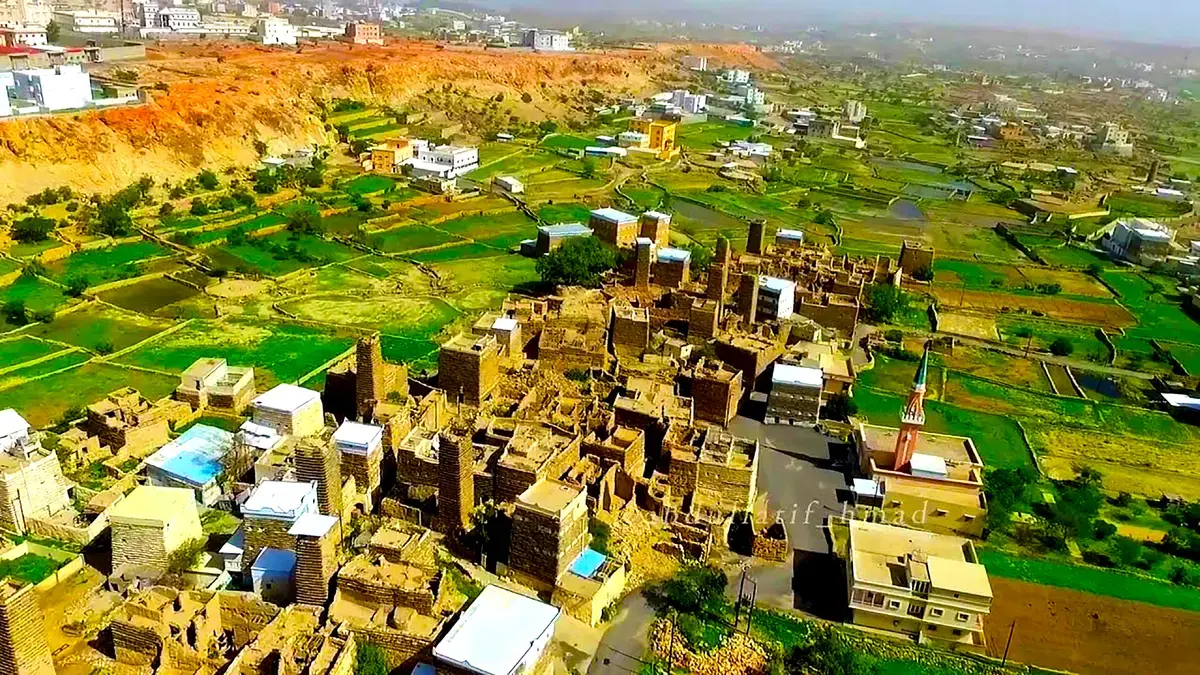
The Asir tribes have not hidden their homes from ancient times until this era, and it is the mountain range that Al-Hamdani called (Al-Tur) and is now called (the Sarawat mountain range). The geographical borders of the Asir Region end with the borders of (Ghamid), which is a branch of the famous Bajila tribe. It is most likely that the (Asir and Bajila) tribes belong to one ancestor, and are related to each other, as the author Malik Al-Ashraf mentioned.
Al-Yamani (Abu Jaafar Omar bin Yusuf bin Rasul Al-Ghassani) quoted what he found in a historical copy of the rulers of Yemen and reads it as follows: ((Know that the Azd tribes are twenty-six tribes that are united by the name Azd, and they are (Jafna, Ghassan, Khuza’a, Mazen, Bariq, Al-Ma’, Al-Hajr, Al-Atik, Rasib, Ghamid, Muawiyah, Walid, And Thamala, Watib, Zahran, Banu Malik, Dahman, Al-Hadan, Shukur, Aak, Dos, Qahfa, Al-Jahazama, Al-Athafrah, Qasafil, and Farahid) End quote.
13Sections
6Images
36099Characters
عسيرCategory
Asir Region tribes - 1Asir Region tribes - 2Asir Region tribes - 3Asir Region tribes - 4Asir Region tribes - 5
Asir Region tribes
and they are (JafnaGhassanKhuza’aMazenBariqAl-Ma’Al-HajrAl-AtikRasibGhamidMuawiyahWalidAnd ThamalaWatibZahranBanu MalikDahmanAl-HadanShukurAakDosQahfaAl-JahazamaAl-AthafrahQasafiland Farahid) End quote
Khath'amBajilaand his lineage ends with Qahtanand among them are AbsShamranSanhanBanu UbaidahZubaidShahranTha'labahKa'bJanabRafidahTalabNahisKudBajila bint Saab bin Saadthe clan. Their country was Khath’am
Howeverthe Messengermay God bless him and grant him peacehis answermay God bless him and grant him peacemay God be pleased with himhe said: The Messenger of Godmay God bless him and grant him peacethe Qur’an is Arabic
The Asir tribes have not hidden their
01
The Asir tribes have not hidden their homes from ancient times until this era, and it is the mountain range that Al-Hamdani called (Al-Tur) and is now called (the Sarawat mountain range). The geographical borders of the Asir Region end with the borders of (Ghamid), which is a branch of the famous Bajila tribe. It is most likely that the (Asir and Bajila) tribes belong to one ancestor, and are related to each other, as the author Malik Al-Ashraf mentioned.
Al-Yamani (Abu Jaafar Omar bin Yusuf bin
02
Al-Yamani (Abu Jaafar Omar bin Yusuf bin Rasul Al-Ghassani) quoted what he found in a historical copy of the rulers of Yemen and reads it as follows: ((Know that the Azd tribes are twenty-six tribes that are united by the name Azd, and they are (Jafna, Ghassan, Khuza’a, Mazen, Bariq, Al-Ma’, Al-Hajr, Al-Atik, Rasib, Ghamid, Muawiyah, Walid, And Thamala, Watib, Zahran, Banu Malik, Dahman, Al-Hadan, Shukur, Aak, Dos, Qahfa, Al-Jahazama, Al-Athafrah, Qasafil, and
Farahid) End quote.
He also mentioned that the tribes of
03
He also mentioned that the tribes of Azd, Khath'am, Bajila, and Hamdan only trace their lineage to Zaid bin Kahlan, and his lineage ends with Qahtan, and among them are Abs, Shamran, Sanhan, Banu Ubaidah, Zubaid, Shahran, Tha'labah, Ka'b, Janab, Rafidah, Talab, Nahis, Kud, and Banu Salul. The Bajila tribe was named by this name in reference to their mother, Bajila bint Saab bin Saad, the clan.
Their country was Khath’am, and then they separated during the days of the Islamic conquest.
Knowing the origins of the modern Arab
04
Knowing the origins of the modern Arab tribes depends on in-depth knowledge of the origins of the ancient tribes, including the genealogy books written by advanced scholars, and the information received by people, which was essentially built on boasts and some fanaticism, which contributed to creating some Asiries in proving the lineage of some of these branches, since the modern tribes are related to them, so they are branches of them.
In addition to this, there is a
05
In addition to this, there is a lot of overlap between the branches of the tribes, and the division of many of the branches and clans of these tribes and their entry into other tribes, and there are many reasons for this, including alliance, especially after many tribes have allied since the pre-Islamic era until recently for one reason or another, and the neighborhood in homes, and the similarity of names, including the return of the two tribes to a single origin, and then one of them becomes famous and the other joins it because the great ancestor of the two tribes is one.,
Since its inception, Islam has fought tribal fanaticism and forbade it.
At the same time, it encouraged ties
06
At the same time, it encouraged ties of kinship and communication, and made all Muslims brothers in religion, and that the best of them in the sight of God is the most pious, not the noblest. The Almighty says (Indeed, the believers are brothers) and the Almighty said (O people, We created you from a male and a female and made you into nations and tribes that you may know one another. Indeed, the most honorable of you in the sight of God is the one who fears you).
However, the Messenger, may God bless him
07
However, the Messenger, may God bless him and grant him peace, did not completely abolish tribal honors, but rather made them dependent on good faith and the strength of belief. When people asked him about the most honorable Arabs, his answer, may God bless him and grant him peace, was: ((The best of them in pre-Islamic times are the best in Islam if they understand it)).
On the authority of Ibn Abbas, may God be pleased with him, he said: The Messenger of God, may God bless him and grant him peace, said ((Love Arabs for three reasons: because I am Arab, the Qur’an is Arabic, and the speech of the people of Paradise is Arabic)).
The Messenger, may God’s prayers and peace be upon him, said
08
The Messenger, may God’s prayers and peace be upon him, said: ((Learn from your lineages what you can use to connect your relatives, for maintaining ties of kinship is love for one’s family, enrichment in money, prosperous in life, and pleasing to the Lord)). Omar bin Al-Khattab, may God be pleased with him, said: ((Learn your lineages, so you will know your origins, and connect your relatives with them)).
And it was said: ((If you had no knowledge of genealogies except to protect it from the rivalry of enemies and the quarreling of competent people, then learning it would be one of the strongest opinions and the best reward.
Do you not see the words of
09
Do you not see the words of the people of Shuaib, peace be upon him, when they said: {And had it not been for your family, we would have stoned you}, so they spared him for his family)). And from the words of Ali bin Abi Talib, may God bless his face: ((Honor your clan, for they are your wing with which you fly, for by them you attain success, and by them you grow tall, and they are the means of preparation in times of distress.
Honor the generous of them, treat the sick of them, involve them in your affairs, and ease their hardship)).
It was said that if you had
10
It was said that if you had a relative and you did not walk to him with your foot, and did not give him of your money, then you cut him off. It was said: The right of relatives is the younger’s respect for the older, and the older’s tenderness towards the younger. The Messenger of God, may God’s prayers and peace be upon him, said ((The right of the eldest of the brothers over their younger is like the right of a father over his child)).
Omar, may God be pleased with him, urges Muslims to learn genealogy because of its effect on connecting relatives and increasing love.
He says
11
He says: ((Learn your lineages and connect your relatives with them, and do not be like the black tribe if one of you is asked, “Who are you?” He said, “From such-and-such a village.
By God, there would be a thing between a man and his brother if the one between him and him knew who entered into it - meaning the inside of the ruler - the womb, that would deter him from violating it.”)) Genealogy is a matter of trust, and its desired result is the connection of kinship and communication, which is what our true religion calls for, the religion of tolerance, love and brotherhood.
No one claims a lineage to which
12
No one claims a lineage to which he has no connection, nor does he deny a lineage for which he has no place. The origin means the father and grandfather and whoever meets him in them, and it is what connects the family. We, God willing, are entrusted with our lineages. The Asir Region consists of a group of ancient Arab tribes that trace their origins to four divisions: (Qahtan, Madhhij, Kinana, and Anmar).
These divisions later branched into several tribes, then each tribe branched into several divisions. Each tribe has a sheikh, then sheikhs of large tribes, then tribal deputies, and these tribes are:
First: Asir tribes
Most of the Asir tribes are affiliated
13
Most of the Asir tribes are affiliated with Azd Shanuah - Al-Azd bin Al-Ghouth bin Saba bin Yashjab bin Ya'arub, and the Azd tribe is a neighborhood of Kahlan of Qahtan origin, and it is one of the greatest and most powerful neighborhoods.
(Al-Jawhari) divided the Azd tribes into three
14
(Al-Jawhari) divided the Azd tribes into three sections, the first of which is (Azd Shanuah), which is the Banu Nasr, nicknamed (Shunuah) and (Shinuah) is the name For the location north of Abha, it includes mountains and valleys, and includes eleven springs, including: (Jarada Spring), (Nabta) Spring, and (Al Ayn) Spring in the homeland of the Ya’la family (and Al Ayn Spring in the homeland of Ibn Musafah).
The Shanwa Mountains begin at the top
15
The Shanwa Mountains begin at the top of Hamra, in a place known as (the site above the village of Al-Musannah) and end in the homeland of Al Ya’la in the east, and they contain traces of the houses of Sarad bin Abdullah Al-Azdi, may God be pleased with him.
Some historians mentioned that the Asir tribes are affiliated with a man called Asir, who is Asir bin Arasha bin Anz bin Wael, and it was said that his name is not Asir, but rather he was nicknamed that when he disagreed with his father, Arasha. And his brothers, Qanan and Jandallah, and his uncle Rafidah, and he left them and settled in that region with poor terrain.
This is also supported by the saying
16
This is also supported by the saying of the scholar Sheikh Ahmed bin Ali bin Musharraf, may God have mercy on him, in his collection of poems, when he says: And do not forget that the Yemeni neighborhood is **** of the Shiites of the people of truth by the truth Muqtada Tribes from Hamadan and Shanawa **** from the Azd, followers of the black president They have protected the religion, since it has not restrained it **** and the reunion has dispersed from it every one who dissipates it.
They are a group for Muslims, a stronghold, and an impenetrable cave for the ever-increasing wanderer. ...
Genealogists and historians mention that the Asir
17
Genealogists and historians mention that the Asir tribes were formed from the alliances of the Adnaniyah of Anz bin Wael, and the Adnaniyah of Qurayshi, who are the Yazidis (descendants of Yazid bin Muawiyah bin Abi Sufyan). They constitute a large part of the Bani Mughid, one of the Asir tribes..
and a small part of the Yazidis
18
and a small part of the Yazidis allied themselves with the Asir Tihama “Rijal Almaa” and merged with the Azd Shanawa tribes ( Asir), and these mostly allied Azadi and Adnani tribes together formed what was called the Asir tribes...as the alliance between the tribes was a prevailing situation among the tribes of the Arabian Peninsula, created by the circumstances in those eras.
Some of the tribes of Anz bin Wael allied with other tribes such as Qahtan, Shahran, and others, and there are alliances within other major Arab tribes such as Shammar, Utaiba, Mutair, Harb, and others.
The Asir tribe is divided into two main parts
19
The Asir tribe is divided into two main parts: Asir Al-Sarat... These tribes inhabit the foothills of the mountainous areas and what surrounds them towards the desert region to the east. And the Asir Tihama... These tribes live to the west of the foothills of the mountains towards the western coast of the Red Sea adjacent to the region....
The Asiris are made up of five main tribes, and each tribe is divided into several branches, and the branches are divided into several clans, and each clan branches into several clans, and these tribes are:
Bani Mughid tribe
the Al-BadlaAl-AkkasAl-Zaydithe people of Abhathe Banu Jaafari Musha’ithe Banu Namarwho are from the Azdas well as the Bedouins of Rabiawho claim to be originally from Rabia
Banu JariAl MansimAl JalalAl AmaratAl SaadiAl Wa’ilaAl Al AlaAl MughidiyyinYazidisAl IssaAl Tamamthe family of Al-Jadeithe family of Zaidanthe family of Bawahthe family of Mufarrehthe family of Sakranthe family of Qubai’ithe family of Imanglahthe family of Mu’aramthe family of Yamanthe family of Makhloufthe family of Madhanthe family of Habibthe family of Amshaar
This tribe is affiliated as a whole
20
This tribe is affiliated as a whole with Mughid bin Aslam bin Amr bin Awf bin Kaab bin Al-Harith bin Kaab bin Malik bin Nasr bin Al-Azd, and the Banu Mughid have the right to raise the Asir banner, advance it, and become their sheikh in the Mufarreh family. He is called the sheikh of the Banu Mughid and the Banu Nimar.
This is due to the fact that the Banu Nimar are not an original tribe or clan of the Banu Mughid, but rather they were allies of the Banu Mughid at that time, but now. They are counted among them, and this tribe is famous for its large number and great fame among the tribes of the region.
It includes four main branches
21
It includes four main branches: 1 - Al Najih: They are the people of Al-Saqqa and are divided into three groups: A - The family of Yazid is divided into two parts: 1 - There is no Yazid al-Saqqa, and they are of Umayyad lineage, and they are divided into two groups: the family of Yazid al-Qarn, and the family of Yazid al-Qa’wa, and among them are the family of Aidh, Mujthal, and Musalat.
2 - The family of Yazid Al-Sha’af: They go back to the family of Yazid in Al-Saqqa, and they separated from Al-Saqqa after the revolt of Ali bin Ibrahim against his cousin Saqr bin Hassan.
The family of Yazid in general allied
22
The family of Yazid in general allied themselves with the Banu Wazi’ of Islam from the Banu Mughid in the second century AH, and the Banu Wazi’ has now dissolved into the Banu Mughid. B-to the max. C - Al-Falah, Al-Abdul-Aziz: Among the Al-Abdul-Aziz, Al-Mushaybah, the sheikhs of the former Bani Mughid, the Abu Faraj, and the Ibn Dabaan, and through their lands passes Wadi Maydan, named after Maydan bin Malik bin Nasr bin Al-Azd. This valley is attributed to him.
His sons dispersed throughout the Asir tribes, and some of them dispersed to Iraq.
Among them was Abdullah bin Wahb Al-Rasbi
23
Among them was Abdullah bin Wahb Al-Rasbi, the head of the Kharijites on the Day of the Camel, and Rasib is the son of Maydan bin Malik. Bin Nasr bin Al-Azd 2 - Al-Wazi’: From them are the Al-Waiman, the Al-Badla, Al-Akkas, Al-Zaydi, and Al-Alaya. 3 - The family of Mugheed Al-Watta: Branching from them are the Al-Ashraf, the people of Abha, the Banu Jaafari Musha’i, and the people of Rudhaf.
The Banu Mughid are affiliated in Tihama, the Banu Namar, who are from the Azd, as well as the Bedouins of Rabia, who claim to be originally from Rabia, one of the tribes of Rabia and Rafidah.
Among the Banu Mughid are the following clans
24
Among the Banu Mughid are the following clans: Al Naami Al Akkas, Banu Jari, Al Mansim, Al Jalal, Al Amarat, Al Saadi, Al Wa’ila, Al Al Ala, Al Mughidiyyin, Yazidis, Al Issa, Al Tamam, the family of Al-Jadei, the family of Zaidan, the family of Bawah, the family of Mufarreh, the family of Sakran, the family of Qubai’i, the family of Imanglah, the family of Mu’aram, the family of Yaman, the family of Makhlouf, the family of Madhan, the family of
Habib, the family of Amshaar.
Alakum tribe
The family of Yusufthe family of Mutaihilthe family of AsimTalada Abdulthe family of Saidithe family of Al-Ma’anthe family of Mughidhathe family of Al-Falatthe people of Wadi Al-Tala’the people of Wadi Al-Bayhthe family of Maqaremthe family of Ifranthe family of Amtoumthe family of Ma’linthe family of Attathe Abbas family
As for Abdullah’s descendantsthey are Sahra’athe sons of Alakumwho came to the Messengermay God bless him and grant him peaceand pledged allegiance to himAl MutayrAl Muhairand the people of Amsar
They are from Alakum bin Aslam bin
25
They are from Alakum bin Aslam bin Amr bin Awf bin Kaab bin Al-Harith bin Kaab bin Malik bin Nasr bin Al-Azd. The Alakum tribe is divided into Alakum Al-Sarat and Alakum Tihama, and its most important branches are: Bani Mazin, Bani Naqrin, Bani Shalabi, Adada, Al-Qusayr, and others, and is divided into the following clans: Al-Thawabi, Al-Najim, Al-Masoudi.
The family of Yusuf, the family of
26
The family of Yusuf, the family of Mutaihil, the family of Asim, Talada Abdul, the family of Saidi, the family of Al-Ma’an, the family of Mughidha, the family of Al-Falat, the people of Wadi Al-Tala’, the people of Wadi Al-Bayh, the family of Maqarem, the family of Ifran, the family of Amtoum, the family of Ma’lin, the family of Atta, and the people of Al-Shinah.
He descends from the people of Al-Shinah, the Abbas family, an ancient family that has been famous for its knowledge for hundreds of years.
As for Abdullah’s descendants, they are Sahra’a
27
As for Abdullah’s descendants, they are Sahra’a, the sons of Alakum, and they are the group of the great companion Sarad bin Abdullah Al-Azdi, who came to the Messenger, may God bless him and grant him peace, and pledged allegiance to him, and fought with his people the people of Jerash. And Adada are originally from Anaz bin Wael from Adnan.
They entered Alakum, as the scholar Al-Qurtubi Al-Ash’ari mentioned in his genealogy, and they are distributed in four villages: Al Farza’a, Al Mutayr, Al Muhair, and the people of Amsar.
Historically, Aalakum had the best chain of
28
Historically, Aalakum had the best chain of transmission to the Banu Mugheed, due to their close kinship to each other by lineage and place of origin, as they were all born to Islam. Aalakum was nicknamed Aalakum al-Hol and Aalakum al-Tala’ah.
Rabia and Rufaidah tribes
Al-MarmadaMazmahAl-Sharaa’Al-Waghlwhich are: Al-JuhaishAl-HanishAl-Fadhilahand Al-Ibn Mani’and Al-Asimand the Banu GhanmiAl-Shaddadi
the Mahmoudand the Sharmahand among them are the Mohsen familyincluding Al-HashrAl-Hudhanincluding Al-Mutahmi (Al-Abu Nuqtah)and the village of Al-SharAl-Jahishand Dhubouiincluding Al-ShuaibRahbanAl-BakrahAl-Balalaand the people of Al-Talha
the family of Al-Dhibthe family of Uqbaand the family of Al-Ghazithe Al-Ghaniyahthe following families: the Tihanthe Al-Shaddadithe Bani Ghunaimithe Asimthe Al-Hariththe people of Tababthe people of Al-Ghalthe Taladathe Rifaqtainthe Al-Maghthamthe Imjishthe Al-Hallajthe Al-Jaday’iAl-MuqzaaAl-MufaslaAl-AmsadamiAl-Bajad
It is clear from the name that
29
It is clear from the name that the tribe is allied, but the lineage differed over Rufaidah’s lineage. There are those who say that they are descendants of Anz bin Wael, and there are those who say that Rufaidah is the brother of Rabia’a, who is related to Amr, and he is (Asir) bin Amer bin Haritha bin Imru’ al-Qais bin Tha’labah bin Mazen bin Al-Azd, and its sheikhdom belongs to the Al-Muthami family.
The Al-Muthami family ruled the region during some periods of the weakness of the Ayidh family, and they turned to the Saudi state and adopted the call of the sheikh.
Muhammad bin Abdul Wahhab spread them in
30
Muhammad bin Abdul Wahhab spread them in the region, and the homes of Rabi’ah and Rufaidah are located on the banks of Wadi Tabab and its tributaries, and there is a part of them in Tihama adjacent to Tabab, and it is divided into two main tribes, and each tribe branches into several tribes, and each tribe into several tribes, and these tribes are: A - Rabia tribe: It is divided into (4) major tribes: 1 - The Al-Asim family of Sarat and Tihama: They are the sons of
Asim bin Al-Mughoth bin Rabi’ah bin Amr.
They are five villages in Al-Sarat
31
They are five villages in Al-Sarat: Al-Rahwah, Al-Marmada, Mazmah, Al-Sharaa’, Al-Waghl, and three large clans in Tihama that extend from the chests of the Al-Asim family until near Mahayil in Al-Sahar, which are: Al-Juhaish, Al-Hanish, Al-Fadhilah, and Al-Ibn Mani’, whose grandfather is Mani’ bin Dehis.
Bearing a banner and banners Asir when Abdul-Wahhab Abu Nuqtah entered Mecca by order of the late King Abdul-Aziz Al Saud, and Al-Asim, which is the largest tribe in Rabi’ah and Rufaidah and constitutes half of Rabi’ah, and the Banu Ghanmi, Al-Shaddadi, and the people of Tayhan the other half.
2 - Bani Ghanmi
32
2 - Bani Ghanmi: Sarat and Tihama: They are the sons of Ghanam bin Al-Mughoth bin Rabi’ah bin Amr. They are four villages in Sarat: Masawli, Al-Alayah, Al-Saffah, Al-Hadba. In Tihama, the people of Wadi Fu live and extend to Sanumah in Rijal Almaa, and with them are also Al-Hathran in Wasanib.
3 - Al-Shaddadi: They are the sons of Shaddad bin Abdullah bin Al-Maghouth bin Rabi’a bin Amr, and they are distributed in five villages: Zina, Saaban, Al-Kheima, Al-Dahama, and Jaw bin Shaiban. 4 - The people of Tihan: He is Tihan bin Rabi’a bin Amr and they live in two villages: Tihan and Mushrif.
B - Rufaida tribe
33
B - Rufaida tribe: It is divided into five tribes: 1- The two groups: They are the Al-Masali, the Mahmoud, and the Sharmah, and among them are the Mohsen family, and the Al-Amjamal family. 2 - The people of Tabab: It consists of small villages: Al-Atf, including Al-Hashr, Al-Hudhan, including Al-Mutahmi (Al-Abu Nuqtah), and the village of Al-Shar, Al-Jahish, and Dhuboui, including Al-Shuaib, whose grandfather was Tami bin Shuaib.
3 - The Talada: They are Al-Masqawi, Rahban, Al-Bakrah, Al-Balala, and the people of Al-Talha.
4- The family of Al-Harith
34
4- The family of Al-Harith: They are the family of Nahiyah, the family of Al-Dhib, the family of Uqba, and the family of Al-Ghazi, and they are the family of Sarat and Tihama.
5 - Bani Thuwa: They are located south of Mahayil and are divided into the people of Al-Eidah, the Al-Ghaniyah, the following families: the Tihan, the Al-Shaddadi, the Bani Ghunaimi, the Asim, the Al-Harith, the people of Tabab, the people of Al-Ghal, the Talada, the Rifaqtain, and the following clans from Rabi’ah and Rufaydah: the Al-Qafila, the Al-Maghtham, the Imjish, the Al-Hallaj, the Al-Jaday’i, Al-Muqzaa, Al-Mufasla, Al-Amsadami, Al-Bajad.
Bani Malik tribe
Their chiefdom is in the Al Maadiand is divided into several sectionsAl MujmalAl Habashiand Bani RazamAl Lazmthe family of Ya'lathe family of Jarjarthe family of Shalfathe family of Jahlthe family of Shuhtathe family of Hattanthe family of Bin Nomanthe family of MunirBani Rabi'ahthe family of Al-TabibAl Majardahthe family of Belkbashthe family of Muhammad bin Alithe family of Mujandithe family of Mukhlidthe family of Saabthe family of Jumahthe family of Aradthe family of Mahazalthe family of Rumayyanthe family of Al-HabashiAl-JanfourAl-AtfAl-Majja’ahLaasanSabil
They are the sons of Malik bin
35
They are the sons of Malik bin Al-Harith bin Kaab bin Abdullah bin Malik bin Nasr bin Al-Azd, and they are from the Asir Al-Sara tribe. The homes of this tribe extend from the east of Abha to the borders of Khamis Mushait and end in the village of Hajla.
Their chiefdom is in the Al Maadi
36
Their chiefdom is in the Al Maadi, and is divided into several sections, the most important of which are: Al Ya’la, Al Mujmal, Al Habashi, and Bani Razam, and is divided into the following clans: Al Khadra, Al Lazm, the family of Ya'la, the family of Jarjar, the family of Shalfa, the family of Jahl, the family of Shuhta, the family of Hattan, the family of Bin Noman, the family of Munir, Bani Rabi'ah, the family of Al-Tabib, Al Majardah, the family of
Belkbash, the family of Muhammad bin Ali, the family of Mujandi, the family of Mukhlid, the family of Saab, the family of Jumah, the family of Arad, the family of Mahazal, the family of Rumayyan, the family of Al-Habashi, Al-Janfour, Al-Atf, Al-Majja’ah, Laasan, Sabil.
Rijal Almaa tribes
Al Ali bin SuwaydAl-Majarra’ahthe family of Ya’lathe people of Al-BatilaSadrat Qaysthe people of Dhim Al-SawdahAl-Rub’aAl-Imsaidi familyAl-UrrahAl-MasabalaSadrat HasawaAl-DharwahAl-RahoubSarro Al-MararAl-Samina familyAl-Sahhabah
Al-Ja’idahAl-MadarqaAl-MaqasidahAl-NawashrahAl-MahamlaAl-HafdiyahAl-Na’amiyahAl-AmludhAl-HallajAl-AmanqarThe Ammar familythe people of Aqmathe Othman familythe Darah familyand their chieftaincy is in IssaAl-HibaAl-MashouzaAl-HajriAl-ZalmAl-MujabhaAl-Maqtuf
and their sheikhdom is Bal Al-KubaibiAl-MaskanahAmsroAl-ImhusseinA’asadahAl-JandabAl-UbaidAl-UlaAl-MishblahAl-Thawaband their chiefdom is Bal Hayani
Al HayyanAl ArafajaAl MuharraqaBani Al Rafi’inThe family of Umm Malikthe family of Abi Alinthe family of Marwi’ithe family of Al-Nasabthe family of Maslamathe family of HaidaDibla-Al-Naja’inAl-NujoudAl-RaihaFayshanJaljul
They are called SalbAl-KhoudahAl-SaruAl-AmsharwaAl-ShahdanAl-RuqAl-MajharahMa’linAl-Shaabi
Their chiefdom is the BajjadAl-LahmanAl-MawhibAl-ZaydanAl-Na’amiyaMahjanAl-Abi Ubaidwhich are tributaries of Wadi Hiliand their chiefdom is Bal Al-AskariAl-Mabu’Al-Masha’iAl-BuraidAl-BuraidAl-Za’idAl-Hajib
Al-ZiyadAl-QufailAl-RadaAl-FaqouhAl-Qahmaand Aramramand their chieftaincy is in Abu ZahlehAl-MudawahAl-Sa’waqaAli bin MusaAl-AjimAl-DaajnaAl-Makhloutaand Al-Najdin
They are the largest and most numerous
37
They are the largest and most numerous of the Asir tribes that inhabit Tihama, and their country is located on the western side of the Asir Region. It is bordered to the north by the Mahayil region and to the south by the country of Bani Sha’bah, which is mostly a mountainous country. They are divided into two parts, the brightest of which is the north and is estimated at one-third of the total number, and the brightest of the south, which is two-thirds.
The sons of these tribes have been
38
The sons of these tribes have been famous for knowledge and judiciary since ancient times, and they consist of ten tribes consisting of many clans collectively called ( Rijal Almaa) is: 1 - The tribe of Bani Qais bin Masoud: Their homes are located in the foothills of Mount Qais and Wadi Hasouh. This tribe is considered a role model for the Rijal Almaa tribes.
It has leadership, carries the banner in the battles, and its sheikhdom is in the Umayyad dynasty that migrated to it after the Bani Abbas eliminated the state of the Bani Umayyads.
It is the family of Ibrahim bin
39
It is the family of Ibrahim bin Abdul Wahhab bin Abdul Mutali and is divided into the following clans: Al Hazim, Al Ali bin Suwayd, Al-Majarra’ah, the family of Ya’la, the people of Al-Batila, Sadrat Qays, the people of Dhim Al-Sawdah, Al-Rub’a, Al-Imsaidi family, Al-Urrah, Al-Masabala, Sadrat Hasawa, Al-Dharwah, Al-Rahoub, Sarro Al-Marar, Al-Samina family, Al-Sahhabah, Al-Atef family.
2 - The Bani Zalim tribe: Their homes are located on the banks of Wadi Hali and its tributaries. Most of them are descended from the Azd al-Qahtanis, and their capital is the city of Rijal al-Ma’ and their sheikhdom is Bal al-Rafidi.
They are distributed into the following clans
40
They are distributed into the following clans: Al-Masli, Al-Ja’idah, Al-Madarqa, Al-Maqasidah, Al-Nawashrah, Al-Mahamla, Al-Hafdiyah, Al-Na’amiyah, Al-Amludh, Al-Hallaj, Al-Amanqar, The Ammar family, the people of Aqma, the Othman family, the Darah family, the people of Manazer.
3 - The Banna tribe: Their homes are located on the banks of Wadi Hili and Jabal al-Fakhr, and their chieftaincy is in Issa, and they are divided into the following tribes: Al-Harith, Al-Hiba, Al-Mashouza, Al-Hajri, Al-Zalm, Al-Mujabha, Al-Maqtuf.
4 - The Bani Junah tribe
41
4 - The Bani Junah tribe: Their homes are on the top of Mount Al-Qariyah and Wadi Reem, and among their valleys are Kasan and Reem, and their sheikhdom is Bal Al-Kubaibi, and they are distributed into the following clans: Al-Mishbala, Al-Maskanah, Amsro, Al-Imhussein, A’asadah, Al-Jandab, Al-Ubaid, Al-Ula, Al-Mishblah, Al-Thawab, Al-Lujain.
5 - Bani Zaid tribe: Their homes are located on the banks of Wadi Haswa and in the foothills of the mountain that separates Wadi Haswa and Murabba. They are from the Adnanites of Taghlib, and their chiefdom is Bal Hayani.
They are distributed into several clans, and
42
They are distributed into several clans, and they are divided into Hadars who live in (Tha and Dhahaban Alone) in the upper region of Wadi Haswa. They are: Al Abd, Al Hayyan, Al Arafaja, Al Muharraqa, Bani Al Rafi’in, The family of Umm Malik, the family of Abi Alin, the family of Marwi’i, the family of Al-Nasab, the family of Maslama, the family of Haida, and Bedouins live in the lower areas of Wadi Haswa.
They are: Al-Ghanem, Dibla-Al-Naja’in, Al-Nujoud, Al-Raiha, Fayshan, Jaljul, and Al-Makhram. 6 - Bani Bakr tribe: Their centers are in Wadi Kasan and Jabal Salb.
They are called Salb, and sometimes this
43
They are called Salb, and sometimes this name includes Bani Zaid as well, and their chieftaincy is the Al-Arafi clan. They are divided into the following clans: Al-Arraf, Al-Khoudah, Al-Saru, Al-Amsharwa, Al-Shahdan, Al-Ruq, Al-Majharah, Ma’lin, Al-Shaabi, Al-Saadan. 7 - The Bani Qutbah tribe: Their homes are in the upper Wadi Hali and Al-Sha’bain, and the village of Al-Sha’bain is considered one of their centers.
They are from the Azd and are called the Banu Zalim Amrfaqa.
Their chiefdom is the Bajjad, and they
44
Their chiefdom is the Bajjad, and they are distributed into the following clans: Banu Thaqib, Al-Lahman, Al-Mawhib, Al-Zaydan, Al-Na’amiya, Mahjan, Al-Abi Ubaid, Al-Qur’an.
8 - The Banu Al-Ais tribe: As they are called Al-Aws, they reside in Wadi Al-Aws and Wadi Shasa’a, which are tributaries of Wadi Hili, and their chiefdom is Bal Al-Askari, and they are divided into the following clans: Al-Musam, Al-Mabu’, Al-Masha’i, Al-Buraid, Al-Buraid, Al-Za’id, Al-Hajib, Al-Ghanama. 9 - The Shahb tribe: Their homes are on the two borders of Wadi Rim and up to Mount Faqouh.
They trace their origins back to Al-Azd
45
They trace their origins back to Al-Azd, and their sheikhdom is Al-Majam. They are divided into the following families: Al-Majam, Al-Ziyad, Al-Qufail, Al-Rada, Al-Faqouh, Al-Matir.
10 - Shadeeda tribe: Their homes are in Jabal Ghamra, Al-Qahma, and Aramram, and from the valleys of this tribe is Reem, and their chieftaincy is in Abu Zahleh, and they are distributed into the following clans: Al-Imshara, Al-Mudawah, Al-Sa’waqa, Ali bin Musa, Al-Ajim, Al-Daajna, Al-Makhlouta, and Al-Najdin.
Second: Asir Tihama tribes
who is the oldest of the threeAl-JabaliAl-Musa bin AliHumaidaAl-SalemAl-AramAl-HajriMahamanaAl-RayyanAl-SaabanAl-Aishi
Al-ThubanAl-RafudAl-NashebAl-DaajnaAl-NuhailaAl-BaridQurayshAl-Mu’afaAl-Majdou’Al-GhabshaAl-MardiAl-Ba’iraAl-JahishAl-Ba’ahAl-Ma’youfAl-JarbanAl-Na’amiyaand it consists of several factionsAl-UmkharisAl-SaeedAl-MuqahzaAl-AmhadhiAl-Maqabaand the Russians
Tihama Asir is inhabited by many tribes whose origins go back to the Azd, and they are scattered and cannot be attributed to a single name.
Due to the availability of all services, government departments, and necessary services such as electricity, markets, paved roads, and telephones as a result of the comprehensive civilizational renaissance that our beloved country has experienced and is experiencing under the shadow of our rational government, and is distinguished by its moderate, rainy climate in the winter and hot in the summer, and its transformation into a wintering ground for the residents of Sarat, it has been inhabited.
Many of its residents are not indigenous
47
Many of its residents are not indigenous, and the most important of these tribes are: A - The Bariq tribes: They are from the Azd. Ibn Hisham Bariq said: Banu Adi bin Haritha bin Amr bin Amer bin Haritha bin Imru’ al-Qais bin Tha’labah bin Mazen bin Al-Assad bin Al-Ghouth, and they are in Shinuah.
He mentioned Bariq, and they are the sons of Adi bin Al-Azd, and he said they were named: Bariq; Because they followed the lightning, and it has been said that they descended at a mountain called Bariq, and they were named after it.
Al-Kumait bin Zaid said
48
Al-Kumait bin Zaid said: And to increase their horror, they attacked us with a mountain that they considered to be centuries So what we said to Bariq: You have done wrong, and what we said to Bariq: Blame us And the saying of Al-Kumait is a mountain that they think has horns - that is, they fight without equipment or grace like rams that have no horns, and they think that they have strength, and this Al-Kumait is Ibn Zayd Abu Al-Mustahal from Banu Asad.
In Asad
49
In Asad: Al-Kumait bin Ma’rouf was before this, and also among them is Al-Kumait bin Tha’labah, who is the oldest of the three, and Ibn Ma’rouf is the one who says: Take the mind if the people give you your mind, and be like one who has faced humiliation, for four things Do not make too much noise, for the sword has erased all of what Ibn Darah said It is inhabited by Bariq (the Al-Bawaariqa tribe), and they are its original inhabitants.
They are divided into several tribes and are divided into the following clans: Al-Sibai, Al-Jabali, Al-Musa bin Ali, Humaida, Al-Salem, Al-Aram, Al-Hajri, Mahamana, Al-Rayyan, Al-Saaban, Al-Aishi.
B - The tribes of Al Musa
50
B - The tribes of Al Musa: These tribes are located in the valley of Tihama and the center of Tarfatha is Maha’il. The borders of the Al Musa tribes extend to the sea coast between Al Qunfudah and Al Birk. These tribes are: Banu Yazid, Al Sawalha, Banu Dhib, Rabi’ah Al-Maqatirah, Rabi’ah Al-Tahahin, Al-Jarban, Al Fahma, Banu Daris, Al-Nasab, Al Issa, Al Omair, Al Khalif, Al Aqeel, Al Qaid, Al Amer, Al Zoubah, Al Masoud.
C - The tribes of Qena and Al-Bahr
51
C - The tribes of Qena and Al-Bahr: They are divided into the following clans: Al-Latin, Al-Thuban, Al-Rafud, Al-Nasheb, Al-Daajna, Al-Nuhaila, Al-Barid, Quraysh, Al-Mu’afa, Al-Majdou’, Al-Ghabsha, Al-Mardi, Al-Ba’ira, Al-Jahish, Al-Ba’ah, Al-Ma’youf, Al-Jarban, Al-Na’amiya, Al-Ashur. Al Hadma.
D - Al-Munjaha tribe: The homes of this tribe are located on the banks of Wadi Aslan, and it consists of several factions, the most important of which are: Al-Mawad, Al-Umkharis, Al-Saeed, Al-Muqahza, Al-Amhadhi, Al-Maqaba, and the Russians.
E - Al-Mashar tribe
52
E - Al-Mashar tribe: This tribe is one of the tribes affiliated with the Muhayil Asir district, and is divided into the following clans: Al-Marief, Al-Bashabshah, Al-Salem, and Al-Mushhala. And - Al-Rish tribe: This tribe is one of the tribes affiliated with the Muhayil Asir district, and is divided into the following clans: Al-Sada, Al-Mashayikh, Al-Sha’tha, Al-Mashul, Al-Amathar, Al-Kudaisi, Al-Duraib, Al-Musabih, Al-Ayn.
Third: The tribes of the men of stone
and these clans are: Al Lasla’Bani SafarBani Tha’labahAl BahshaBahwanAl Abdul AzizAl TarfaAl MukhlidAl AyyashAl DharibinAl TammamAl AlqahAl TajerAl UbaidAl HarsAl ZaidAl ZayanAl JahdalAl SalemAl ManamisAl DehisAl IshaqAl KhashafAl Amer bin MisferAl HusseinAl OmarAl MubarakAl AmalawiAl SaddamAl AbalahAl IzzaAl KamilAl Rafi’Al AmerAl Amsha’arAl AzhaAl Rabi’Al QasimAl Al LabanAl JeeraAl Bin JalhaAl-Doha
and they are as follows: - Haid AbsAl UbaidAbsBanu SufyanAl AmmarQuray’TharbanAl-HusnahAl-Tala’i’Ja’idBanu Al-TaymAl-MujamidAl-QasimAl-ShughaibAl-SamidAl-MallahBanu Hussein
TihamaAl-Adaydatand Al-SulaimanBani KarimAl JumaAl BalhafaAl TahirAl ImashiAl DuhaisAl MuhammadAl KhashilBanu Rafi’Al ShaqBanu AmaraKaabKaab Al BedouinBanu QaysAl YathibaAl SanaaAl SuhaimAl AasaraAl TalhaAl HasikahAl DaiyaAl Saad The family of
Ammarthe family of Al-Shaerthe family of Dhat Al-Alabthe family of Nihthe family of Atiyathe family of Jahilthe family of Hanishathe family of BassamAl-Jawabrahthe family of Hilalthe family of Sa’idthe family of Adhalthe family of Scottthe family of Maqboolthe family of Haidahthe family of Makmalthe family of Al-AlayanSadridthe family of WalidAl-HaffarAksathe family of Tariqthe family of Al-Dhawithe family of Arifthe Talha familythe Nabila familythe Jaba’ah familythe Qurain familythe Mahjoub familythe Sheikhsthe Shaghaib familythe Shasha’ familythe Shayban familythe
Their lineage goes back to Al-Hijr ibn
53
Their lineage goes back to Al-Hijr ibn Al-Hanu’ ibn Al-Azd ibn Kahlan ibn Yashjab ibn Saba ibn Ya’rab ibn Qahtan ibn Hood (peace be upon him (bin Abdullah bin Rabah bin Jarud bin Ad bin Aws bin Iram bin Sam bin Noah), peace be upon him (bin Lami bin Methushalkh bin Idris), peace be upon him (bin Yarab bin Lael bin Inan bin Ashon bin Seth bin Adam) peace be upon him). By the men of Al-Hijr, four tribes are meant: Ballahmar, Ballasmar, Banu Shahr, and Banu Amr.
It has been mentioned in the genealogies
54
It has been mentioned in the genealogies that Banu Shahr is related to Shahr ibn Rabi’ah ibn Al-Aws ibn Al-Hajar ibn Al-Hanu’, and that Balahmar and Ballasmar are from the sons of Shahr...but they are attributed to the names of their ancestors Ballasmar and Ballasmar. As for Banu Amr, he is Shahr’s brother from the sons of Rabi’ah.
Among the famous men of Al-Hajri who
55
Among the famous men of Al-Hajri who are famous in our heritage for their scientific precedence and intellectual stature, such as the poet: Hajib bin Awf Al-Azdi, the poet Al-Shanfara Al-Hajri, the jurist Ahmed bin Muhammad bin Salama Al-Tahawi ((239-321 AH)), Al-Faridhi Saeed bin Ali Al-Hajri, Al-Hafiz Abdul-Ghani bin Saeed ((332-321 AH), Abu Al-Hayyas Al-Hajri, and others.
These tribes reside in the Sarat mountain range north of Sarat Asir to the borders of Ghamid and Zahran. These tribes are followed by other tribes that live in Tihama.
These tribes are divided into many sections
56
These tribes are divided into many sections and branches, and these tribes are: 1 - The Ballahmar tribe: Their homes are located on the banks of the valleys of Abal, Subh, Bayhan, and Al-Mawin, and they head towards the east to feed Wadi Bishah. They have many bellies, exceeding thirty-six clans, and their center is the town of Al-Mawin, and most of them reside in Al-Sarat.
The Ballahmar tribes are composed of three main tribes: First: The Mujanab tribes, which consist of several tribes in the desert and the desert. Second: The descending tribes, which consist of several tribes in the desert and the desert.
Third
57
Third: The Muhammad family tribes, which consist of several tribes in Al-Sarah, Tihama, and Al-Badia.
These tribes consist of several clans and
58
These tribes consist of several clans and many branches, and these clans are: Al Lasla’, Bani Safar, Bani Tha’labah, Al Bahsha, Bahwan, Al Abdul Aziz, Al Tarfa, Al Mukhlid, Al Ayyash, Al Dharibin, Al Tammam, Al Alqah, Al Tajer, Al Ubaid, Al Hars, Al Zaid, Al Zayan, Al Jahdal, Al Salem, Al Manamis, Al Dehis, Al Ishaq, Al Khashaf, Al Amer bin Misfer, Al Hussein, Al Omar, Al Mubarak, Al Amalawi, Al Saddam, Al Abalah, Al Izza, Al Kamil, Al Rafi’, Al Amer, Al Amsha’ar,
Al Azha, Al Rabi’, Al Qasim, Al Al Laban, Al Jeera, Al Bin Jalha, Al-Doha, Al-Dhahur, Al-Salfih, Al-Azab, Al-Mazhar, Al-Maqta’, Al-Majahi, Al-Rabi’, Al-Da’in, Al-Misfir, Banu Bijad, Al-La’ban.
2 - The Ballasmar tribe
59
2 - The Ballasmar tribe: They are to the north of Al-Ahmar, and their most important valley is Wadi Ri’a.
It comes from the top of Al-Sarat, and its tributaries come to it, and its waters flow towards the east to supply Wadi Bisha, and their capital is the Al-Khuraim family or two Ballasmar, and it is known by this name because the market is held there every Monday, and their country begins from Wadi Abalah, and two-thirds of this tribe reside in Tihama, and the Ballasmar tribes consist of several clans and many branches.
The most important of them are
60
The most important of them are: Al Maghwi, Al Fayh, Al Afifi, Bani Mushaf, Al Khalid, Al Mahrez, Al Mutalali, L Maddad, Bani Mish’ab, Al Sadr, Al Sal, Al Atma, Al Marid, Bani Qaid, Al Jabal, Al Aish, Al Qara’a, Al Al Bateen, Al Muallem, Al Yam, Al Ruq, Al Umair, Al Mutariq., Al-Fersa, Al-Hammad, Al-Ruq, Ghashra, Al-Yala, Al-Muhammad, Al-Salem, Al-Muhit, Al-Shakhta, Al-Ubaid, Al-Khushaym, Al-Jarman, Ni Rafi, Banu Malik, Umm Hussein, Al-Sheikh, Al-Amnamis, Bani Munih.
3 - The Banu Shahr tribe: Their homeland is to the north of Ballasmar.
The Banu Shahr are divided into two main sections
61
The Banu Shahr are divided into two main sections: Salaman, and their chiefdom is in the Al-Asbli family, and the Banu Al-Athla and their chiefdom is in the Al-Shibli family. Each section consists of several clans, and these tribes are divided into one hundred and forty clans, and therefore they are the most numerous of the tribes of the men of Hajar. The capital of this tribe is Al Namas, and its name is Al-Qurayyah, and it was named.
With Al Namas due to the presence
62
With Al Namas due to the presence of nams trees there, and the Banu Shahr tribes consist of Sarat and Tihama, and the country of Banu Shahr is divided into Sarat and Tihama: First: The tribes of Banu Shahr and its branches, Al-Sarrat...
Some of the branches may not be
63
Some of the branches may not be mentioned due to their large number, and they are as follows: - Banu Hashim (the tribe), Banu Yus, Banu Thabit, Shahr Al-Sham, Al-Khashram, Al-Walid, Al-Zaydan, Banu Al-Taym, Shahr Al-Tharamin, Al-Laylah, Banu Bakr, Banu Jubayr, Al-Baria, Banu Qusayr, Al-Kalathama, Al-Awamir, Al-Kinanah, Al-Bahish, Al-Nuha, Al-Husayn, Al-Baydan, Al-Wata’, Al-Mujamal, Banu Mashhour, Al-Muhabah, Al-Umrah, Al-Sha’fin, Al-Harith, Al-Jubaiha, Al-Awsa’,
Second: The tribes of Bani Shahr and their branches in Tihama. We may not mention some of the branches due to their large number, and they are as follows: - Haid Abs, Al Ubaid, Abs, Banu Sufyan, Al Ammar, Quray’, Tharban, Al-Husnah, Al-Tala’i’, Ja’id, Banu Al-Taym, Al-Mujamid, Al-Qasim, Al-Shughaib, Al-Samid, Al-Mallah, Banu Hussein.
Al Balil, Al Kharman, Banu Zuhair, Al
65
Al Balil, Al Kharman, Banu Zuhair, Al Shanif, Al Sa'oub, Baljad', Al Fares, Al Hassan, Al Kumait, Al Majardah, Al Kharij, Al Ya'la, Al Wahish, Al Zari, Al Shinah, Al Hassan, Al Yamani, Al Asim, Al Yahmd, Al Hudayla, Al Hilwa, Al Jamil, Al Yarbu'., Al-Sha’bain, Al-Mu’arabah, Al-Manzhar, Al-Mashkha, Al-Nas, Al-Majdab, Al-Barakat, Al-Mahfouz, Al-Sulaiman, Al-Zar’i, Al-Taffafa, Al-Qadi, Al-Awad, Al-Ahmad bin Dhahib, Al-Hashish.
4 - The Bani Amr tribe: They are from the Azd, and their homes are located to the north of Bani Shahr.
They are two large parts - the
66
They are two large parts - the Bani Tamim tribes - and the Bani Kaab tribes, and a number of tribes branch out from them, and these tribes branch off into clans that spread in a number of villages in Al-Sarat, Tihama, and the Badia - and the two Bani Omar tribes consist of several clans and many branches, the most important of which are: Al-Sheikh, Al-Adaydat, and Al-Sulaiman., Bani Karim, Al Juma, Al Balhafa, Al Tahir, Al Imashi, Al Duhais, Al Muhammad, Al Khashil,
Banu Rafi’, Al Shaq, Banu Amara, Kaab, Kaab Al Bedouin, Banu Qays, Al Yathiba, Al Sanaa, Al Suhaim, Al Aasara, Al Talha, Al Hasikah, Al Daiya, Al Saad The family of
Ammar, the family of Al-Shaer, the family
67
Ammar, the family of Al-Shaer, the family of Dhat Al-Alab, the family of Nih, the family of Atiya, the family of Jahil, the family of Hanisha, the family of Bassam, Al-Jawabrah, the family of Hilal, the family of Sa’id, the family of Adhal, the family of Scott, the family of Maqbool, the family of Haidah, the family of Makmal, the family of Al-Alayan, Sadrid, the family of Walid, Al-Haffar, Aksa, the family of Tariq, the family of Al-Dhawi, the family of Arif, the
Talha family, the Nabila family, the Jaba’ah family, the Qurain family, the Mahjoub family, the Sheikhs, the Shaghaib family, the Shasha’ family, the Shayban family, the
Zuhair family, the Al-Afaqmah family, the Jamal
68
Zuhair family, the Al-Afaqmah family, the Jamal family, the Ja’adbah family, the Maysa family family.
Among the Banu Amr are tribes of
69
Among the Banu Amr are tribes of Al-Harith bin Rabi’ah bin Amr bin Hajar, and they have a number of branching tribes and they live in the desert of Banu Omar, and he cited the poet’s words as evidence for them. And red and brown, then Shahri, Omar, and Salib in Al-Harith, you see them as Amariyah Another said: The Khashram family, even if it is Dharban, then you see them as Amariyya
Fourth: Qahtan tribes
It has many divisions and branchesWada’aSanhanUbaidahRufaidahBanu BishrJarmah and many othersAl-AbdAl-MalhanAl-HumaidanAl-MufarrehAl-MakadibAl-Muftah
Al-GhaziAl-Salem bin UbaidAl-GibranAl-BarmanAl ShannanAl MalikAl Salem bin Mu’idAl RaqanAl HathithAl HassanAl HassanAl MasoudAl Bin FiranAl Ghurab
With all the gentleness of the bladesAl AmhadhiAl RashidAl SahamiAli bin MuhammadAl QudahAl ZaherAl JubayrAl MunisAl-YazidAl-Mashin
Al-SaifAl-TalhanAl-TaizAl-GhubranAl-KhasnanAl-DahrAl-KhadraAl-GharAl-SammanAl-HajjaAl-Sha’bainAl-Mushabab bin RaithAl-KaramAl-QalatAl-HaflanAl. Al-Naja’ibAl-FtaisAl-BasraAl-QudahAl-MunasAl-ShamakhAl-FarwanAl-AbdullahAl-TaweelAl-Fan’oumAl-Rab’aSharafAl-AdawiyaAl-HamdanAl-HaifAl-MazawhaAl-HarjaAl-IdanAl-HaidaAl-ShafiAl-WaqidiAl-Jubayr
The family of Ararathe family of Hamishthe family of Zaidanthe family of Abd al-RahmanBanu Hajarthe family of al-Sha’arthe family of Maslamathe family of Zarqanal-Musamithe family of Abbasthe family of Sharkand Banyos
Ya'laAl MalikAl HawaAl AshabaAl AzabAl Qa'inAl JuhaishAl AmadAl ZubayriAl OrfAl SaedanAl AmkaisAl SidrAl JabazanAli bin RashidAl SaeedAl AzabAl BaydaAl JaberAl RashdaAl SaidaAl AliyanAl HarqaAl Saeed Bin MaqboolAl NamlanAl AfiyaAl AifahAl Saeed bin SultanAl OranAl MasoudAl MujalbAl AsiAl SalehAl ZainAl AsbaAl JarrahAl ShadahAl Muhammad bin SaeedAl AtefAl ImranAl Al Wasiah
Al-Masha’laAl-Sahmathe Suwaidan familythe Shabwa familythe Alyan familythe Murita’ familythe Al-Ajarsha familyand the Ayyaf family
Al-KhalafAl-AzabHamalaDramahMuthabAl-AfifAl-Harsh Al-ObaidiyahAl-HarshAl-AtefAl-Mani’Al-DhahrAl-BahmahBani MusaAl-Ibn Sa’raAl-Othman. The family of Makrthe family of Nimrthe family of Shibaathe family of Suhaimthe family of Farhanthe family of winterthe family of Zahrathe family of Tayyabthe family of IrfanAl-Mahafizthe people of Qahimthe family of Shibaa
KhattabAl-HafWaqshaDu’aBani Qaisand Al-Shawatand their sheikhdom in Al-HaifAl-NaderAl-JawfAl-AreenAl-ZuhairAl-GhabtaAl-RumaihAl-OmraAl-SuwayAl-SheikhAl-ArrabAl-Dahen
And the tribes of Al-Haf and Waqshahand their chieftaincy in Al-AmerAl-HalamiAl-JulaihaAl-HudailaAl-Mubaya’Al-Batha’Al-AmerAl-BanhiAl-JahlAl-Majma’Al-DhibaAl-Sha’arAl-DammamAl-LutBani WahbAl-Faj’ahAl-OmrahAl-Umrah. In the neighborhoodthe family of Abi HabibAl-Eisthe family of KhuzaymAl-HarithaAl-AshrafAl-MasayyidAl-QadafAl-HarqanAl-MahshosAl-RaqqaQarn and Qashha
And the tribes of DaiBani Qaisand Al Shawatand their sheikhdom is in Al SumanBani QaisAl ShawatAl MudairBani TamimAl BuraidAl MufarrehAl MashiAl SalemAl BuraidAl Qafi’
The Qahtan tribe is affiliated with Madhaj
70
The Qahtan tribe is affiliated with Madhaj, and Madhaj is Malik bin Adad bin Yashjab bin Urayb bin Zaid bin Kahlan bin Amer, and Amir is Saba. Madhaj is divided into Zaid and they are called Ans Yahabir and they are called Murad Jalad Saad of the clan Lamis along with they are Ans. Qahtan is the father of the Qahtan peoples. It is said about them (far away from the hamlets, the largest of the masses).
The Qahtan are ancient tribes with a rich history in the center and south of the Arabian Peninsula. The Qahtan tribes are spread throughout Yemen, Hadramaut, Oman, and the Arabian Peninsula.
In general, the Qahtan constitutes half of
71
In general, the Qahtan constitutes half of the Arab element, and they are Arab Arabs. Many of them have immigrated from Arab countries since the era of the Islamic conquests and afterward.
Their Adnanite brothers, and we do not want to delve into listing the tribes belonging to Qahtan, but rather the intention is to point out those in this region of Qahtan because our research may extend to mentioning the Qahtan tribes in Najd due to the tribal connection between them and their cousins in the Asir Region. Qahtan is a group of tribes from Khawlan and Hamdan.
This tribe is one of the largest
72
This tribe is one of the largest Arab tribes and the most conservative of its customs. Their country is between Najran, Abha, and southern Najd. They are tribes of only lineage, great fame, and high determination and guidance. They are known to be of prestige, elevation, and status. They are divided into two tribes, one in Najd and another in Asir. The southern tribes of Qahtan are many in number and many branches, and the sheikhdom of the whole.
Qahtan Al-Janoub in Dulaim, and it has many sheikhs and many branches...
It has many divisions and branches, the most important of which are
73
It has many divisions and branches, the most important of which are: Al-Hubab, Wada’a, Sanhan, Ubaidah, Rufaidah, Banu Bishr, Jarmah and many others, and we will summarize them as follows: 1 - The Habab tribes: They are a desert people whose homes are located to the west of the Sanhan tribes. They inhabit Al Amwah and the resources that follow it.
The Habab tribes consist of the following: A - Al-Zahra tribes from the Habab: They are divided into the following groups: Al-Jumaih, Al-Abd, Al-Malhan, Al-Humaidan, Al-Mufarreh, Al-Makadib, Al-Muftah.
B - Al-Rashda tribes from Al-Habab
74
B - Al-Rashda tribes from Al-Habab: They are divided into the following clans: Al-Sharif, Al-Ghazi, Al-Salem bin Ubaid, Al-Gibran, Al-Barman, C - The tribes of Al Zarba from Al Habab: They are divided into the following clans: Al Kahlan, Al Shannan, Al Malik, Al Salem bin Mu’id, Al Raqan, Al Hathith, Al Ghurab.
D - Among the tribes of Qahtan in Tihamah: the tribes of Janb bin Saad, the center of their Futayha emirate is on the banks of Wadi Beish in Tihamah, and they are divided into the following clans: Al Khuzaym, Al Hassan, Al Hassan, Al Masoud, Al Bin Firan, Al Ghurab.
2 - The Wadaa tribe
75
2 - The Wadaa tribe: This tribe and another tribe in the upper Najran valley are considered branches of the Greater Wadaa tribe, which inhabits a large part of Yemen and is attributed to Wadaa bin Amr bin Amer bin Nashij bin Dafi bin Malik bin Jashm bin Hashid bin Jashm bin Khairan bin Nawf bin Hamdan bin Zaid.
During the advent of Islam, masses of this tribe flowed to the Hijaz, the Levant and Iraq to form with the rest The tribes of the Arabian Peninsula were the vanguards of the Islamic conquest, which began to spread the true Islamic religion. They set the most wonderful example of redemption and sacrifice.
Men were valiant and prayed for the
76
Men were valiant and prayed for the sake of God, and their pure blood flowed on the soil of Al-Qadisiyah and Yarmouk. In the Battle of Yarmouk, Al-Mundhir bin Abi Hudha Al-Wada’i was on the horses of Abu Ubaidah Amer bin Al-Jarrah, may God be pleased with him, and in the Battle of Al-Qadisiyah, some of them were martyred by commando knights, in the forefront of whom were Abdullah, Abu Bakr, and Al-Muntashir, sons of Al-Ajda’ bin Malik Al-Wada’i.
They actively participated in the conquest of Egypt, and Imam Ali bin Abi Talib, may God bless his face, praised them when he said: And the meekest of heroes is afraid of her blades...
With all the gentleness of the blades
77
With all the gentleness of the blades, Hossam If I were a gatekeeper at the gate of Paradise...I would tell Hamdan, “Enter in peace.” The Wadi'a tribes consist of the following clans: Al Sayyar, Al Amhadhi, Al Rashid, Al Sahami, Ali bin Muhammad, Al Qudah, Al Zaher, Al Jubayr, Al Munis, and Thabet family. 3 - The Al-Sirri tribes: The center of their emirate is Al-Jawh, and it consists of the following tribes: Al-Hayyan, Al-Yazid, Al-Mashin.
4 - Sharif tribes
78
4 - Sharif tribes: They are to the west of the Al-Sirri tribes and consist of the following clans: Al-Amer, Al-Saif, Al-Talhan, Al-Taiz, Al-Ghubran, Al-Khasnan, Al-Dahr, Al-Khadra, Al-Ghar, Al-Samman, Al-Hajja, Al-Sha’bain, Al-Mushabab bin Raith, Al-Karam, Al-Qalat, Al-Haflan, Al.
The family of Arara, the family of Hamish, the family of Zaidan, the family of Abd al-Rahman, Banu Hajar, the family of al-Sha’ar, the family of Maslama, the family of Zarqan, al-Musami, the family of Abbas, the family of Shark, and Banyos.
5 - The Ubaidah tribes
80
5 - The Ubaidah tribes: Al-Hamdani mentioned the tribes of Janab from Qahtan, and they are now known as Ubaidah, and it is said that they are attributed to their mother Ubaidah bint Muhalhal bin Rabi’ah, and their headquarters is in Al-Sarat, known by them: They are said to be Sarat Abidah, and noble royal orders were issued approving the appointment of Prince Manahi bin Dhib bin Ashq bin Shaflut as sheikh to include the Ubaidah
Qahtan tribes, succeeding his brother.
Sheikh Mutrak bin Dhib bin Shaflut, consisting
81
Sheikh Mutrak bin Dhib bin Shaflut, consisting of the following factions: Al Suleiman, Al Ali, Al Zuhair, Al Kira’an, Al Muammar, Al Qahr, Al Masardah, Al Munadiyya, Al Saqr, Al Jaroo, Al Jarabi’, Al Jalda, Al Ayed, Al Atiya, Al Bassam, Al Quraysh, and Al Ubaidah joining them in Ma’rib. 6 - The Sanhan tribe: Al-Hamwi says in his Dictionary of Countries the following: Sanhan bin Yazid is one of the six tribes that make up Mikhlif Janab in Yemen.
It is affiliated with Sanhan bin Yazid
82
It is affiliated with Sanhan bin Yazid bin Harb bin Alah bin Jald bin Malik bin Adad, and it consists of the following clans: Al-Sultans, Al-Za’id, Al-Ma’li’, Al-Khamjat, Hubala, Al-Haran, Al-Jabrah, Al-Hayan, Al-Hayyan.
Ya'la, Al Malik, Al Hawa, Al Ashaba
83
Ya'la, Al Malik, Al Hawa, Al Ashaba, Al Azab, Al Qa'in, Al Juhaish, Al Amad, Al Zubayri, Al Orf, Al Saedan, Al Amkais, Al Sidr, Al Jabazan, Ali bin Rashid, Al Saeed, Al Azab, Al Bayda, Al Jaber, Al Rashda, Al Saida, Al Aliyan, Al Harqa, Al Saeed Bin Maqbool, Al Namlan, Al Afiya, Al Aifah, Al Saeed bin Sultan, Al Oran, Al Masoud, Al Mujalb, Al Asi, Al Saleh, Al Zain, Al Asba, Al Jarrah, Al Shadah, Al Muhammad bin Saeed, Al Atef, Al Imran, Al Al Wasiah, Al Basit.
7 - The Al-Jahhard tribe: The Al-Jahhard tribe is one of the greatest tribes of Qahtan.
It is divided into tribes and clans
84
It is divided into tribes and clans, some of which are in Najd, and the largest part in the south belongs to the Asir emirate. The Al-Jahhard and Al-Habab tribes are called Ould Abdullah, and in their country there are three government centers, including the Tathlith Center, the Al Amwah Center, and the Al Ayn Center. These are the names of the main tribes that we explain here without mentioning the clans due to their large number. And not being surrounded.
The Jahadar are divided into two main groups: the Suleiman family and the Jamal family.
The family of Suleiman is divided into two groups
85
The family of Suleiman is divided into two groups: the family of Asim and the family of Muhammad. The family of Muhammad is also divided into two groups: the family of Al-Dahim and the family of Abitan. The Al-Dahim family is divided into two groups: Al-Ruq and Al-Saad. The Abitan family is divided into four sections: the Atef family, Al-Masha’la, Al-Sahma, and Al-Khanafer.
As for the Jamal family, they have seven clans: the Masoud family, the Suwaidan family, the Shabwa family, the Alyan family, the Murita’ family, the Al-Ajarsha family, and the Ayyaf family.
8 - The Banu Bishr and Al-Irfan tribe
86
8 - The Banu Bishr and Al-Irfan tribe: Al-Hamdani mentioned that they are from the Banu Al-Harith bin Ka’b, and it consists of the following clans: Al-Asran, Al-Khalaf, Al-Azab, Hamala, Dramah, Muthab, Al-Afif, Al-Harsh Al-Obaidiyah, Al-Harsh, Al-Atef, Al-Mani’, Al-Dhahr, Al-Bahmah, Bani Musa, Al-Ibn Sa’ra, Al-Othman.
The family of Makr, the family of Nimr, the family of Shibaa, the family of Suhaim, the family of Farhan, the family of winter, the family of Zahra, the family of Tayyab, the family of Irfan, Al-Mahafiz, the people of Qahim, the family of Shibaa.
9 - Rafidah tribes
87
9 - Rafidah tribes: The Rafidah tribes consist of several tribes: Jarma, Khattab, Al-Haf, Waqsha, Du’a, Bani Qais, and Al-Shawat, and they are distributed as follows: The Jarmah and Khattab tribes, and their sheikhdom in Al-Haif, consist of the following tribes: Al-Shuwayh, Al-Nader, Al-Jawf, Al-Areen, Al-Zuhair, Al-Ghabta, Al-Rumaih, Al-Omra, Al-Suway, Al-Sheikh, Al-Arrab, Al-Dahen.
And the tribes of Al-Haf and Waqshah
88
And the tribes of Al-Haf and Waqshah, and their chieftaincy in Al-Amer, consists of the following factions: Al-Ali, Al-Halami, Al-Julaiha, Al-Hudaila, Al-Mubaya’, Al-Batha’, Al-Amer, Al-Banhi, Al-Jahl, Al-Majma’, Al-Dhiba, Al-Sha’ar, Al-Dammam, Al-Lut, Bani Wahb, Al-Faj’ah, Al-Omrah, Al-Umrah. In the neighborhood, the family of Abi Habib, Al-Eis, the family of Khuzaym, Al-Haritha, Al-Ashraf, Al-Masayyid, Al-Qadaf, Al-Harqan, Al-Mahshos, Al-Raqqa, Qarn and Qashha.
And the tribes of Dai, Bani Qais
89
And the tribes of Dai, Bani Qais, and Al Shawat, and their sheikhdom is in Al Suman, and it consists of the following tribes: Al Mustanir, Bani Qais, Al Shawat, Al Mudair, Bani Tamim, Al Buraid, Al Mufarreh, Al Mashi, Al Salem, Al Buraid, Al Qafi’.
Fifth: Shahran tribes
From the northit is bordered by Al-ShalawahSuba’iand Shabwah Qahtanand from the eastRafidah and Al-Naju’and Ubaida Al-JahadirAl-FahrAl-JarwaAl-Muammarand Al-Saqrand from the western sideAsirBallahmarBallasmarBani ShahrBani AmrBalqarnand they are the Aklab tribeBanu Shaaf and Banu Shaybahwho are descendants of Anz bin Waelentered with them
Al-Qara’inBanu RashhaAl-SarhAl-MutairAl-SafaqMuawiyahand Al-Raqita in Bishahand the men of Al-Hijrnamely BallahmarBallasmarBani Shahrand Bani Amr
The lineage of the Shahran tribe goes
90
The lineage of the Shahran tribe goes back to Khath’am and then to Azd, like most southern tribes. The Shahran tribe is one of the largest tribes in the Asir Region in number and has the most extensive land, as its lands extend from Al-Haqo with Sabya in Tihama, Bani Majur with the Al Hassan tribe from Qahtan in the south-east, and Al-Jahra with Asir in the south-west.
From the north, it is bordered by
91
From the north, it is bordered by Al-Shalawah, Suba’i, and Shabwah Qahtan, and from the east, Rafidah and Al-Naju’, and Ubaida Al-Jahadir, Al-Fahr, Al-Jarwa, Al-Muammar, and Al-Saqr, and from the western side, Asir, Ballahmar, Ballasmar, Bani Shahr, Bani Amr, Balqarn, and Shamran. The Adnaniya tribe joined Shahran since the pre-Islamic era, and they are the Aklab tribe, from the sons of Rabi’ah bin Nizar bin Ma’ad.
Likewise, Banu Shaaf and Banu Shaybah, who are descendants of Anz bin Wael, entered with them.
Mahmoud Shaker said the following
92
Mahmoud Shaker said the following: Shahran is a large tribe, which is why it is called Shahran Al-Arida, and its homes are the Bishah Valley and its branches, except for some of its upper reaches, where the Rufaidah tribe from Qahtan resides. Also in its lower course are some branches of the tribes of Khath’am, Aklab, Balharith, Balqarn, and Shamran.
Likewise, this tribe owns the area of Wadi Al-Musayriq, which consists of the meeting of the valleys of Al-Salil, Khaybar, and Al-Shaiq. Some of Shahran live in the Al-Sha’af region, which is called Sha’af Shahran.
It has many villages, including Al-Fara'a, Al-Masqa
93
It has many villages, including Al-Fara'a, Al-Masqa, Bani Jabrah, Al-Sarhan, Al-Qariyah, and Al-Yanfa. Due to the large number of this tribe, some of them live in the Bishah region and the Najran region, but the largest part of them lives in the Khamis Mushait Governorate, which is the largest city in the southern region, and the fourth largest commercial center in the Kingdom of Saudi Arabia.
The sheikhdom of Aam Shahran is in Al Mushait, and they are from Al Rashid.
They have tribal sheikhs and deputies according
94
They have tribal sheikhs and deputies according to the number of their branches and thighs, and their headquarters are as follows: 1 - Bani Malik Shahran, part of them is located in Tihama Shahran, and the other part is located in Al-Sarat, Shaaf Shahran. 2 - Tamniyeh Al-Masqi, headquartered in Shaaf Shahran, Al-Sarat. 3 - The people of Al-Fara’a, headquartered in Shaaf Shahran Al-Sarat. 4 - Bani Jabrah, headquartered in Shaaf Shahran al-Sara.
5 - Al-Sarhan, headquartered in Shaaf Shahran Al-Sarah.
Note
95
Note: The borders of Shaaf Shahran are to the north Asir, to the south and west are Tihama Shahran, and to the east is the country of Rufidah Qahtan. 6 - Al Rashid, headquartered in Wadi Bishah, defined from the south by Rafidah Qahtan. 7 - Al-Ghamr, based in Wadi Bishah, and the border ends in the north with Bani Malik Asir. 8 - Nahas, including two thighs in Tandahah, and the rest of the tribe in Ya’ri, east of Wadi Tandahah.
9 - The Ujair family, whose headquarters are at the top of Wadi Tandhah, east of Khamis Mushayat. 10- Bani Samah, based east of Khamis Mushait and north of Al Ujair.
11 - The Hajjaj family, based east
96
11 - The Hajjaj family, based east of Khamis Mushait and north of Bani Samah. 12 - Al Zalal, based east of Khamis Mushait and north of Al Hajjaj. 13 - Kud, whose headquarters are north of Wadi Tandhah, Wadi Al-Shaiq, Raghwa, Al-Maitha, and Al-Safiya, as well as Khashm Shaa. It is mentioned that many of the Kud tribes branched off from Khashm Shaa, and this is evidenced by the civilization whose traces remain to this day, including forts, villages, and stone dams.
These tribes inhabit the Tandah Valley, which extends from south to north over a distance of 60 km and is famous for its diverse agriculture.
14 - Bani Bijad, based in Wadi
97
14 - Bani Bijad, based in Wadi Bin Hashbal, Al-Salil and Burim. 15 - Bani Wahib and their location in Samakh, Harjab, Sirq, Al-Khadra, Hijrat Al-Hanafah, and Bishah Al-Nakhl. 16 - Bani Munabbih, located west of Wadi Harjab and near King Fahd Dam to the north and south. 17 - Bani Salul and their location in Bishah (Al-Rushan). 18 - Al-Ramthin and their location in Al-Dahu, Al Naqi and others in Bishah.
19 - The people of Al-Haqq and their location in Tihama, near the city of Sabya. 20 - Bani Majur, located in the southeast, next to the Al Hassan tribe in the country of Qahtan.
21 - Al-Jahra and their location in
98
21 - Al-Jahra and their location in the southwest with Asir. Banu Quhafa, Al-Qara’in, Banu Rashha, Al-Sarh, Al-Mutair, Al-Safaq, Al-Numan. Among the tribes allied to the Shahran tribe are the tribe of Aklab, Muawiyah, and Al-Raqita in Bishah, and the men of Al-Hijr, namely Ballahmar, Ballasmar, Bani Shahr, and Bani Amr.
Sixth: Balqarn tribes
MusharrafAl-TariqNaqmaBadiMakhshoushathe family of Al-Abbasthe family of Al-Aswadthe family of Yazidand the family of Jabir
Balqarn's lineage goes back to Qarn bin
99
Balqarn's lineage goes back to Qarn bin Radman bin Najiya bin Murad....and Qarn bin Abdullah, a clan of the Azd from Al-Qahtaniyah, and they are the sons of Qarn bin Abdullah bin Al-Azd. They had a mosque in Kufa... and Qarn bin Malik...
Batn from Madhaj from Kahlan Al-Qahtaniyah, and the sons of Qarn Batn from Murad, including Uwais Al-Qarni, about whom the Prophet, may God bless him and grant him peace, said, “The supply of Yemen will come to you.” Among them (Uwais Al-Qarni) will enter Paradise through his intercession like (Rabi’ah and Mudar).
Uwais was one of the followers, and
100
Uwais was one of the followers, and the Balqarn tribe is divided into two large groups: 1 - Balqarn Al-Hijaz or Al-Sarat, their base is Al-Alayah, and it belongs to the Balqarn Governorate in the Asir Region. The Aliyan tribe is one of the tribes inhabiting Balqarn Governorate. Since ancient times, the Aliyan tribe settled on the heights of the Sarat Mountains and the surrounding valleys of Tihama.
They spread from the outskirts of Tabalah
101
They spread from the outskirts of Tabalah in the east to Wadi Qanuna in the west and from the country of Khath’am in the north to the countries of Balqarn and Shamran in the south, and from their stomachs: Neither Dahim, nor Rizq, nor Suleiman, nor Al-Makhdaba, nor Al-Mishyab.
2- Balqarn Al-Tahm, or what is called the Southern Ardiyah and the Northern Ardiyah, and their base is Thuraiban and it belongs to the Al-Qunfudhah Governorate in the Makkah Al-Mukarramah region.
Among the residents of Tihama Balqarn are the following branches
102
Among the residents of Tihama Balqarn are the following branches: Thuraiban Al-Malha, Musharraf, Al-Tariq, Naqma, Badi, Makhshousha, Al-Hawail Among the branches of Balqarn in Tihama are the Banu Suhaim. They live in the upper part of Wadi Batat, west of the village of Nimra. Among their branches are: The family of Umair, the family of Al-Abbas, the family of Al-Aswad, the family of Yazid, and the family of Jabir.
From the above it is clear that
103
From the above it is clear that the Asir Region is made up of many tribes, and in the days of pre-Islamic times these tribes were important among the tribes of the Arabian Peninsula, to the point that they were able to impose royalties on the Quraysh caravans traveling to Yemen on the winter and summer journey because of their strength and the immunity of their country.
Seventh: Shamran tribes
Shamran is divided into two parts
104
Shamran is divided into two parts: Shamran Al-Sarah and Shamran Tihama, including Al-Abous, Al-Badia, Fahdan, and Sahab. Their homes are on the road to Taif and Abha, sloping to the west until Tihama, and it is surrounded to the west and north by Ghamid, to the east by Shahran, and to the south by Khath’am and Balqarn.
Asir Region tribes - 1Asir Region tribes - 2Asir Region tribes - 3Asir Region tribes - 4